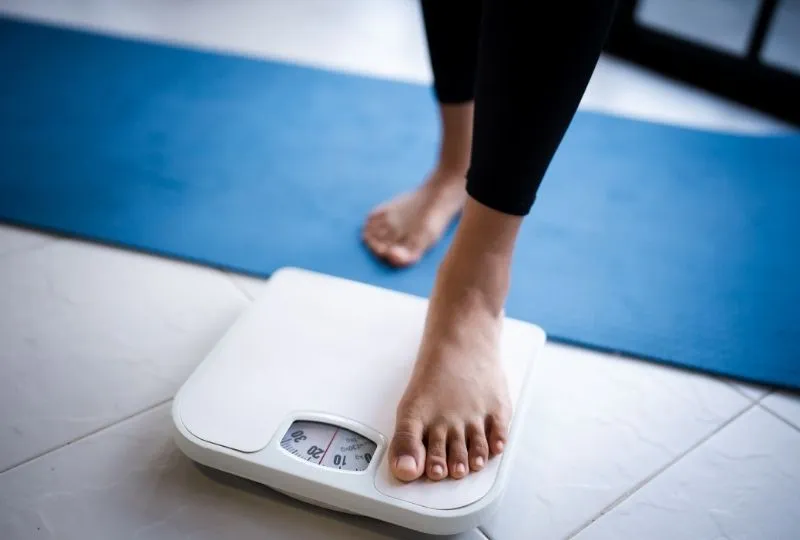
Are whole grains allowed on a sugar-free diet?
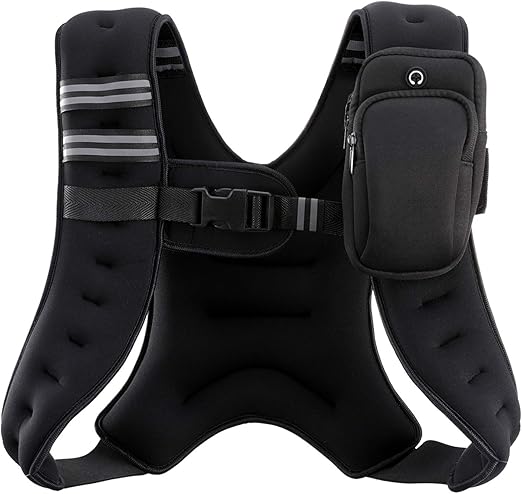
🏋️♂️ ZELUS Weighted Vest – Boost Your Workout Performance!
Available in 6lb to 30lb sizes with reflective stripes. Perfect for strength training, running, fitness, weightlifting, and weight loss.
💥 Get Yours Now for Under $32!
⚖️ Etekcity Digital Bathroom Scale – Precision You Can Trust!
Sleek design with a large blue backlit LCD, high-precision sensors, and durable 6mm tempered glass. Supports up to 400 lbs.
🔥 Shop Now for Under $149!Are Whole Grains Allowed on a Sugar-Free Diet?
If you’ve decided to cut sugar from your diet, you’re probably wondering how this significant dietary shift impacts your food choices, particularly regarding carbohydrates such as whole grains. Many people think that being on a sugar-free diet means you have to eliminate all carbs, leading to confusion and frustration. In this article, we will explore the role of whole grains in a sugar-free diet, how they can support your weight loss journey, and the numerous health benefits they offer. We’ll also address some common concerns surrounding whole grains and sugar intake, ensuring you have the information you need to make informed choices.
Understanding Sugar-Free Diets
A sugar-free diet primarily focuses on eliminating added sugars and refined carbohydrates from your meals. This includes cutting out sweets, sugary beverages, and many processed foods that are often high in hidden sugars. However, this doesn’t automatically mean that you should avoid all forms of carbohydrate, including whole grains. In fact, incorporating whole grains into your diet can be beneficial for several reasons.
What Are Whole Grains?
Whole grains are grains that retain all parts of the grain kernel: the bran, germ, and endosperm. This means they are packed with nutrients and fiber compared to their refined counterparts. Common examples of whole grains include:
- Brown rice
- Quinoa
- Oats
- Whole wheat
- Barley
- Bulgur
- Farro
These grains not only provide essential vitamins and minerals but are also excellent sources of dietary fiber, which can aid in digestion and contribute to a feeling of fullness.
Benefits of Whole Grains on a Sugar-Free Diet
Nutrient-Rich Profile
Whole grains are rich in nutrients such as B vitamins, iron, magnesium, and antioxidants, all of which play critical roles in maintaining overall health. When adopting a sugar-free diet, you’ll want to ensure you’re getting enough nutrients to support your body. Including whole grains can help you meet these nutritional needs.
High in Fiber
One of the standout benefits of whole grains is their fiber content. High-fiber foods can:
- Improve digestive health
- Help regulate blood sugar levels
- Decrease hunger and enhance satiety
Fiber slows down digestion, leading to a gradual release of glucose into the bloodstream, which helps prevent spikes in blood sugar levels—a vital aspect of a successful sugar-free diet.
Weight Management
Cutting out sugar and incorporating whole grains may assist in weight loss. The fiber in whole grains helps you feel full longer, reducing the likelihood of snacking or overeating later in the day. Studies suggest that individuals who consume whole grains tend to have lower body weight and less body fat compared to those who regularly consume refined grains.
Are Whole Grains High in Sugar?
Many people have concerns that whole grains might contain sugar that would counteract the benefits of a sugar-free diet. Understanding the difference between added sugars, naturally occurring sugars, and carbohydrates is essential. Whole grains, in their natural form, do not have added sugars. They do, however, contain complex carbohydrates, which are broken down more slowly by the body compared to simple sugars, leading to more stable energy levels.
Choosing the Right Whole Grains
When selecting whole grains for your sugar-free diet, it’s crucial to choose options that are minimally processed and free from added sugars or hidden ingredients. Here are some tips:
- Read labels: Check for added sugars in the ingredient list.
- Opt for unsweetened products: Choose items that do not have sweeteners added.
- Incorporate diversity: Mix different types of whole grains to maximize nutritional benefits.
Common Mistakes When Eating Whole Grains
Even though whole grains can be beneficial on a sugar-free diet, some common mistakes can undermine your efforts. Here are a few pitfalls to watch out for:
- Assuming all products labeled “whole grain” are healthy: Always check the nutritional content, as some whole grain products can still be high in sugars and additives.
- Overloading on portion sizes: Even whole grains can contribute to excess calorie intake if consumed in large quantities.
- Ignoring other food groups: A balanced diet includes proteins, healthy fats, and vegetables alongside grains for maximum health benefits.
Whole Grains and Blood Sugar Control
Individuals with conditions like diabetes often focus on controlling blood sugar levels. Whole grains can play a supportive role because they have a lower glycemic index than refined grains. The glycemic index measures how quickly foods raise blood sugar levels. Foods with a lower glycemic index release glucose more slowly and steadily, which is ideal for blood sugar management.
How to Incorporate Whole Grains into Your Sugar-Free Diet
Now that you know whole grains are generally compatible with a sugar-free diet, let’s discuss practical ways to incorporate them into your meals:
Breakfast Options
- Start your day with oatmeal topped with nuts or fruit.
- Try a smoothie with blended quinoa or oat flour.
- Prepare whole grain toast with avocado or nut butter.
Lunch Ideas
- Make a salad topped with cooked farro or barley.
- Prepare a wrap using whole grain tortillas filled with lean protein and veggies.
- Enjoy a whole grain grain bowl with roasted vegetables and a protein source of your choice.
Dinner Suggestions
- Pair grilled chicken with quinoa and steamed broccoli.
- Serve whole grain pasta with a homemade tomato sauce and fresh vegetables.
- Try brown rice with your favorite stir-fry ingredients.
Snacking on Whole Grains
Even snacks can be healthier with whole grains. Look for options like:
- Whole grain crackers with hummus or yogurt dip.
- Popcorn (made without added sugars or fats).
- Homemade granola bars using whole oats, nuts, and seeds.
Summary: Whole Grains Are Compatible with a Sugar-Free Diet
In conclusion, whole grains can absolutely be included in a sugar-free diet. They provide essential nutrients, support weight management, and help control blood sugar levels. By making wise choices about which grains to consume and balancing them with other healthy food options, you can enjoy the health benefits whole grains have to offer without compromising your sugar-free lifestyle. As always, listen to your body’s needs and consult with healthcare professionals when making significant dietary changes.
Whether you’re experimenting with different recipes or just trying to make healthier decisions, embracing whole grains can pave the way for a successful and enjoyable sugar-free journey. Now, as you assess your pantry, consider how you can make whole grains a staple in your meals moving forward!


Related Articles
Our HOME in English: Common questions about the requirements and approval difficulty for getting a personal Tea Burn Weight Loss, especially regarding credit score – see more about Tea Burn Here

Are Whole Grains Allowed on a Sugar-Free Diet?
For many on a weight loss journey, the question of whether whole grains fit into a sugar-free diet often arises. This inquiry is essential as more people look to eliminate excess sugar from their diet to shed those stubborn pounds. While whole grains do contain carbohydrates, they are also packed with essential nutrients and fiber that are vital for overall health. Choosing the right type of grains can enhance your weight loss efforts by keeping you full longer and stabilizing blood sugar levels, which can be beneficial when cutting out sugar.
Conclusion
Incorporating whole grains into a sugar-free diet can align perfectly with your weight loss goals. They’re a great source of fiber, keeping you satiated and preventing sugar cravings. Whole grains like quinoa, brown rice, and whole wheat bread offer essential nutrients that support metabolic health. Cutting out sugar can lead to reduced calorie intake and improved insulin sensitivity, which are crucial for effective weight loss. By making smart choices about whole grains, you can enjoy a balanced diet while progressing toward your weight loss objectives. Embrace a sugar-free lifestyle with wholesome foods, and take a step closer to achieving your health goals.
FAQ
1. Are whole grains considered sugar?
No, whole grains are not considered sugar. They contain carbohydrates that break down into sugar but also provide fiber and nutrients.
2. Can I eat whole grains on a sugar-free diet?
Yes, whole grains are allowed on a sugar-free diet. They contribute to overall health and can aid in weight loss.
3. Will whole grains sabotage my weight loss?
Whole grains are unlikely to sabotage your weight loss. In moderation, they can support a healthy diet.
4. How do whole grains affect blood sugar?
Whole grains can stabilize blood sugar levels due to their fiber content, preventing spikes and crashes.
5. Are all grains the same in a sugar-free diet?
No, not all grains are the same. Whole grains are better than refined grains as they contain more nutrients and fiber.
6. What are some examples of whole grains?
- Brown rice
- Quinoa
- Barley
- Whole wheat bread
- Oats
7. Can I have oatmeal on a sugar-free diet?
Yes, oatmeal is a great option for a sugar-free diet, offering fiber and essential nutrients.
8. Is whole grain bread sugar-free?
Many whole grain breads are low in added sugars, but check the label to ensure it fits your sugar-free criteria.
9. Should I avoid grains entirely on a sugar-free diet?
No, you don’t have to avoid grains entirely. Focus on whole grains that promote health and satiety.
10. Can whole grains help with cravings?
Yes, the fiber in whole grains can help curb cravings by keeping you full longer.
11. Is brown rice better than white rice for weight loss?
Yes, brown rice is a whole grain, which means it has more fiber and nutrients compared to white rice.
12. What about quinoa and weight loss?
Quinoa is an excellent choice for weight loss. It’s high in protein and fiber, making it filling and nutritious.
13. Are whole grains more filling than refined grains?
Yes, whole grains are generally more filling because their fiber content slows digestion.
14. Can whole grains contribute to belly fat?
Whole grains can actually help reduce belly fat as part of a balanced diet, unlike refined grains.
15. Are gluten-free grains okay on a sugar-free diet?
Yes, gluten-free grains like brown rice and quinoa are acceptable and can fit into a sugar-free diet.
16. How do I choose the right whole grains?
Choose whole grains that are minimally processed and high in fiber with little to no added sugar.
17. Is it okay to snack on whole grain products?
Yes, whole grain snacks can be a healthy choice, keeping your energy levels stable and filling.
18. Can I still lose weight if I eat whole grains?
Absolutely! Incorporating whole grains can support weight loss as long as you maintain a balanced diet.
19. What should I avoid in grain products?
- Added sugars
- Refined grains
- High sodium levels
20. Can I have whole grain pasta on a sugar-free diet?
Yes, whole grain pasta can be included in a sugar-free diet, offering more nutrients than regular pasta.
21. How do whole grains support my overall health?
Whole grains provide fiber, which aids digestion, helps maintain a healthy weight, and reduces disease risk.
22. Are whole grains enough for energy during a workout?
Yes, whole grains provide sustained energy due to their complex carbohydrates and fiber content.
23. How can I add more whole grains to my diet?
Start your day with whole grain cereals, swap white rice for brown rice, or choose whole grain bread.
24. Can I eat whole grains every day?
Yes, incorporating them daily can be beneficial, just balance them with other food groups.
25. What role do whole grains play in a balanced diet?
Whole grains are a vital part of a balanced diet, providing energy, fiber, and essential nutrients for optimal health.


