
Are smoothies okay on a sugar-free diet?
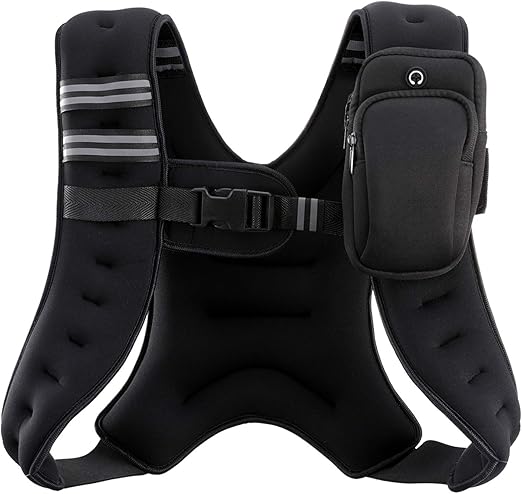
🏋️♂️ ZELUS Weighted Vest – Boost Your Workout Performance!
Available in 6lb to 30lb sizes with reflective stripes. Perfect for strength training, running, fitness, weightlifting, and weight loss.
💥 Get Yours Now for Under $32!
⚖️ Etekcity Digital Bathroom Scale – Precision You Can Trust!
Sleek design with a large blue backlit LCD, high-precision sensors, and durable 6mm tempered glass. Supports up to 400 lbs.
🔥 Shop Now for Under $149!Are Smoothies Okay on a Sugar-Free Diet?
When embarking on a sugar-free diet, many people find themselves questioning the viability of incorporating smoothies. Smoothies are often considered a healthful option, but they can also pack a hidden sugar punch, particularly when fruits, sweeteners, or dairy are included. In this article, we will delve into the compatibility of smoothies with a sugar-free lifestyle, looking at the benefits and drawbacks, essential ingredients, and how to craft a smoothie that aligns with your dietary goals. Whether you’re new to the concept of cutting out sugar or a seasoned pro, we aim to provide you with the information you need to make informed choices.
Understanding Sugar-Free Diets
Before exploring smoothies, it’s essential to understand what a sugar-free diet entails. Generally, a sugar-free diet means eliminating all added sugars and, in many cases, naturally occurring sugars from fruits and dairy. This approach can assist in weight loss, reducing blood sugar levels, and removing cravings associated with refined sugar. Here are a few key points:
- Added Sugars: These include sweeteners added to food and beverages, which often contribute to calorie intake without nutritional benefits.
- Natural Sugars: Found in fruits and dairy products. Depending on your strictness of the diet, you may opt to include or exclude these.
- Benefits: Reducing sugar intake can lead to weight loss, improved energy levels, and better overall health.
The Role of Smoothies in a Sugar-Free Diet
Smoothies can be a delicious way to incorporate a variety of nutrients into your diet. However, the key lies in understanding how to make them suitable for sugar-free living. Here’s how to analyze smoothies in the context of your sugar-free journey:
Ingredients Matter
The ingredients you choose will determine if your smoothie fits within a sugar-free diet. Here are some ingredients you should consider:
- Base Liquids: Opt for unsweetened almond milk, coconut water, or water instead of fruit juices to minimize added sugar.
- Fruits: Some fruits have higher sugar content than others. Here are lower-sugar options:
- Berries (strawberries, raspberries, blackberries)
- Avocado
- Lemons and limes
- Green apples (in moderation)
- Cucumber
- Spinach or kale (for added nutrients and fiber)
- Celery
- Zucchini
- Sweeteners: Do not use concentrated sweeteners like honey, maple syrup, or agave. Instead, consider natural alternatives like stevia or monk fruit in moderation.
Balancing Your Smoothies
To create a balanced smoothie that supports a sugar-free diet, consider the following elements:
- Proteins: Add protein powder, Greek yogurt, silken tofu, or nut butters for satiety and muscle recovery.
- Healthy Fats: Include avocado, chia seeds, or flaxseeds, which promote fullness and provide essential fatty acids.
- Fiber: Adding leafy greens, chia seeds, or flaxseeds can improve digestion and support overall health.
Potential Challenges of Smoothies on a Sugar-Free Diet
While smoothies can be nutritious, potential pitfalls exist, especially when maintaining a sugar-free regimen:
- Hidden Sugars: Many commercially available smoothies or smoothie mixes contain hidden sugars. Always check labels, even if they claim to be “healthy.”
- Fruit Overload: While fruits are nutrient-dense, they often contain natural sugars. If you use a variety of fruits in your smoothie, you might inadvertently exceed your sugar limit.
- Portion Control: Smoothies can be deceivingly high in calories. Even without added sugars, fruit and nut butter quantities can add up quickly.
Best Practices for Making Sugar-Free Smoothies
To enhance your chances of creating a successful smoothie aligned with a sugar-free diet, adhere to these best practices:
- Plan Your Ingredients: Prioritize low-sugar fruits and nutrient-dense greens. Prepare a list before going grocery shopping.
- Pre-portion Fruits and Veggies: Batch prep your ingredients to simplify and control portion sizes while ensuring quick access.
- Experiment with Flavor: Use spices like cinnamon, ginger, and vanilla extract to enhance flavor without adding sugar.
- Incorporate Fresh Herbs: Fresh mint or basil can provide a refreshing twist and enhance the overall taste.
Sample Sugar-Free Smoothie Recipes
Here are a few mouth-watering smoothie recipes that are aligned with a sugar-free diet:
Berry Green Smoothie
This smoothie combines the tartness of berries with nutritious greens for a refreshing and healthful drink.
- 1 cup unsweetened almond milk
- ½ cup spinach or kale
- ½ cup mixed berries (strawberries, raspberries, blueberries)
- ½ avocado
- 1 tablespoon chia seeds
- Ice cubes, as desired
Blend ingredients until smooth and enjoy!
Creamy Avocado and Cucumber Smoothie
This smoothie is hydrating and light, perfect for summer days.
- 1 cup water or coconut water
- 1 small avocado
- 1 small cucumber, peeled and chopped
- Juice of 1 lime
- Fresh mint leaves (to taste)
- Ice cubes, as needed
Blend until creamy for a refreshing beverage.
Green Protein Smoothie
For a post-workout boost, try this protein-packed smoothie.
- 1 cup unsweetened almond milk
- 1 scoop protein powder (ensure it’s sugar-free)
- 1 cup kale or spinach
- ½ cup cucumber
- 1 tablespoon peanut butter or almond butter
- Ice cubes
Blend thoroughly and enjoy the protein boost!
Monitoring Your Smoothie Intake
When incorporating smoothies into your sugar-free diet, it’s vital to keep track of your overall intake. Regularly monitor:
- Calories: Smoothies can be calorie-dense. Knowing how many calories you’re consuming helps maintain portion control.
- Sugar Levels: Aim to keep your smoothies in the lower sugar range. This will help with your overall dietary goals.
- Macronutrient Balance: Ensure you are including enough protein and healthy fats to support your energy requirements.
Conclusion
Deciding whether smoothies fit into your sugar-free diet ultimately comes down to ingredient choice and balance. With careful planning and attention to components, smoothies can provide a nutritious, satisfying option that aligns with your weight loss goals and keeps your sugar intake in check. Experiment with different combinations, find what works for you, and enjoy the journey toward a healthier lifestyle!


Related Articles
Our HOME in English: Common questions about the requirements and approval difficulty for getting a personal Tea Burn Weight Loss, especially regarding credit score – see more about Tea Burn Here

Are Smoothies Okay on a Sugar-Free Diet?
Are you wondering if smoothies can fit into your sugar-free diet? For many, smoothies offer a refreshing and nutritious way to enjoy fruits and vegetables. But when you’re cutting sugar for weight loss, it’s crucial to choose wisely. The good news is that smoothies can be healthy, provided you select the right ingredients. Remember that natural sugars found in fruit are still sugars, so moderation is key. Learning how to create delicious, low-sugar smoothies can help you stay on track with your weight loss goals while still enjoying your beverages.
Conclusion
In conclusion, smoothies can indeed fit into a sugar-free diet if made thoughtfully. By focusing on low-sugar fruits, adding plenty of greens, and incorporating proteins or healthy fats, you can create delicious smoothies that nourish your body without derailing your diet. Understanding the role of sugar in weight loss is essential; cutting out sugar leads to fewer cravings and more balanced meals. As you explore your smoothie options, remember that you’ll be investing in both your health and weight-loss journey. Choose quality ingredients, be mindful of portions, and enjoy your way to a healthier lifestyle!
FAQ
1. Can I use fruits in my smoothies on a sugar-free diet?
Yes, but opt for low-sugar fruits like berries, which have a lower glycemic index compared to tropical fruits.
2. What are some good bases for sugar-free smoothies?
Use unsweetened almond milk, coconut water, or plain Greek yogurt as bases for your smoothies.
3. Are there any vegetables that I should avoid in smoothies?
Generally, leafy greens like spinach and kale are excellent, but avoid high-carb veggies like potatoes.
4. Can I add protein powder to my smoothies?
Absolutely! Look for unsweetened or low-sugar protein powders to maintain a sugar-free shake.
5. Should I include sweeteners in my smoothies?
If you need sweetness, consider natural sweeteners like stevia or monk fruit, which are sugar-free alternatives.
6. Can smoothies help with my weight loss goals?
Yes, smoothies can be a low-calorie meal option packed with nutrients, aiding in weight loss when calorie-controlled.
7. How can I make my smoothies creamier without added sugar?
Use avocado, nut butter, or unsweetened coconut yogurt for creaminess without extra sugar.
8. What are some tips for making low-sugar smoothies?
- Limit fruit quantity.
- Use spinach or kale for bulk.
- Incorporate healthy fats.
9. Is it okay to drink smoothies daily on a sugar-free diet?
Yes, as long as you monitor your ingredient choices and portion sizes to stay within your sugar guidelines.
10. Can I use frozen fruits in my smoothies?
Yes, just be cautious with higher-sugar fruits and balance them with greens or low-sugar options.
11. What’s a good time to drink smoothies for weight loss?
Morning is ideal for a nutrient boost, but smoothies can be beneficial any time of day as a meal replacement or snack.
12. Should I skip smoothies if I’m aiming for strict weight loss?
Not necessarily; just ensure your smoothies are nutritionally balanced and fit within your calorie goals.
13. Can I use herbal teas as a base for smoothies?
Yes, unsweetened herbal teas can add flavor and hydration without any added sugar.
14. What ingredients are essential in a sugar-free smoothie?
- Low-sugar fruits
- Greens
- Protein source
- Healthy fat
15. Is it okay to add spices to smoothies?
Definitely! Spices like cinnamon or ginger can enhance flavor without adding sugar.
16. What are the best vegetables to include in my smoothies?
Leafy greens, cucumbers, and avocados are all fantastic choices for smoothies.
17. How do smoothies compare to whole fruits in a sugar-free diet?
Whole fruits provide fiber and volume; smoothies should be balanced with vegetables to control sugar intake.
18. Can I make smoothies ahead of time?
Yes, but for the best freshness and nutrient retention, store them in airtight containers and consume within 24 hours.
19. Should I avoid tropical fruits altogether?
Not necessarily; moderation is key. Opt for smaller quantities of fruits like mango or pineapple.
20. Can I add supplements to my smoothies?
Yes, supplements like fiber powder or superfood powders can boost nutrition without sugar.
21. Are smoothies appropriate for post-workout?
Yes, they can replenish energy; include protein and healthy carbs for optimal recovery.
22. Can I bake with leftover smoothie ingredients?
Yes, use ingredients like overripe bananas or spinach in baked goods to minimize waste.
23. Can I use coconut milk in my smoothies?
Absolutely! Unsweetened coconut milk is a great way to add creaminess without added sugars.
24. Is it essential to use a blender for smoothies?
While blenders are most common, immersion blenders can also work well for small batches.
25. How do I know if a smoothie is low-sugar?
Check the ingredients carefully and aim for the lowest fruit content while emphasizing vegetables and proteins.


