
Are nuts good or bad for weight loss?
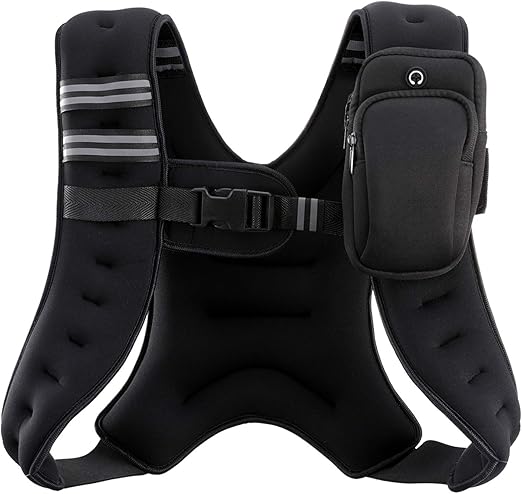
🏋️♂️ ZELUS Weighted Vest – Boost Your Workout Performance!
Available in 6lb to 30lb sizes with reflective stripes. Perfect for strength training, running, fitness, weightlifting, and weight loss.
💥 Get Yours Now for Under $32!
⚖️ Etekcity Digital Bathroom Scale – Precision You Can Trust!
Sleek design with a large blue backlit LCD, high-precision sensors, and durable 6mm tempered glass. Supports up to 400 lbs.
🔥 Shop Now for Under $149!Are Nuts Good or Bad for Weight Loss?
If you’re trying to shed some pounds, you might be wondering about the role of nuts in your diet. Are they a healthy snack option, or do they contribute to weight gain? This article will take you through the science behind nuts and weight loss, discussing their nutritional value, how they affect our bodies, and whether including them in your diet can help you achieve your weight loss goals.
Nutritional Profile of Nuts
Nuts are often hailed as a superfood, and for good reason. They are packed with essential nutrients that can contribute to overall health. Here’s a breakdown of what makes nuts so special:
- Healthy Fats: Nuts are high in unsaturated fats, which are considered heart-healthy. They can help lower bad cholesterol levels.
- Protein: Nuts provide a good source of plant-based protein, which is important for muscle building and repair.
- Fiber: Many nuts are rich in dietary fiber, promoting digestive health and aiding in weight management.
- Vitamins and Minerals: Nuts are full of vitamins E and B, magnesium, potassium, and other essential nutrients.
- Antioxidants: Nuts contain antioxidants that help combat oxidative stress in the body.
The Role of Nuts in Weight Management
When it comes to weight loss, the relationship between nut consumption and body weight is complex. Here’s what research says:
1. Caloric Density
Nuts are calorically dense, meaning they pack a high number of calories in a small volume. This can lead some people to believe that eating nuts is detrimental to weight loss. However, studies show that when consumed in moderation, they can be part of a healthy weight management strategy.
2. Satiety and Appetite Control
The combination of protein, healthy fats, and fiber in nuts can promote feelings of fullness. This can help reduce overall calorie intake. Research indicates that individuals who include nuts in their diet tend to eat less during subsequent meals.
3. Nutritional Benefits vs. Caloric Intake
While nuts are high in calories, they are also nutrient-dense, offering more than just empty calories. This makes them a better snacking choice compared to sugary snacks or processed foods, leading to improved overall health and potentially aiding weight loss efforts.
Types of Nuts and Their Specific Benefits
Different types of nuts come with their unique benefits. Let’s explore some popular varieties:
1. Almonds
Almonds are high in vitamin E and magnesium. They are associated with improved metabolic health, which can assist in weight management.
2. Walnuts
Rich in omega-3 fatty acids, walnuts can help reduce inflammation and may support heart health, making them excellent for long-term wellness.
3. Pistachios
Pistachios are lower in calories than most other nuts and their shells can slow down consumption, enhancing portion control.
4. Cashews
Cashews provide zinc and other essential minerals, playing a role in immune function and overall health.
5. Pecans
Pecans are high in antioxidants and have a delicious taste that can satisfy sweet cravings without the guilt of sugary snacks.
How Many Nuts Should You Eat Daily?
While nuts are healthy, it’s important to keep portion sizes in mind. A typical serving size is about a small handful, which is roughly 1 ounce or 28 grams. Here are some tips for incorporating nuts into your daily diet:
- Mind Your Portions: Stick to one serving to keep your calorie intake in check.
- Opt for Unsalted: Choose unsalted nuts to avoid excess sodium, which can lead to water retention and increased blood pressure.
- Mix It Up: Combine different types of nuts for a varied nutrient profile and enhanced flavor.
- Snack Wisely: Instead of chips or sweets, reach for a handful of nuts when you’re craving a snack.
Potential Drawbacks of Eating Nuts
Although nuts have many benefits, there are some considerations to keep in mind:
1. Overconsumption
Since nuts are calorie-dense, eating them in large quantities can lead to weight gain. Monitoring your intake is crucial.
2. Allergies
Nuts are among the top allergens for many individuals. If you have a nut allergy, it’s important to avoid them entirely and seek alternatives.
3. Added Sugars and Salts
Be cautious with flavored nuts that may contain added sugars, oils, or excessive salts, which negate their health benefits.
How to Incorporate Nuts into Your Diet
If you’re ready to add nuts to your weight loss plan, here are some delicious and easy ways to do it:
- Morning Smoothie: Blend a handful of nuts into your smoothies for added creaminess and nutrition.
- Salads: Toss some nuts on top of salads for crunchy texture and flavor.
- Snack Packs: Prepare snack packs of mixed nuts for a convenient on-the-go option.
- Nut Butter: Spread almond butter or peanut butter on whole-grain toast for a fulfilling breakfast.
- Baking: Add chopped nuts to your favorite baked goods for added flavor and crunch.
The Bottom Line
Nuts can be both a healthy choice and a delicious snack that supports weight loss when consumed wisely. Their nutritional benefits, combined with their ability to promote satiety, make them an excellent addition to a balanced diet. Just be mindful of your portions and choose varieties that suit your health goals.
Ultimately, including nuts as part of a varied diet, rich in fruits, vegetables, whole grains, and lean proteins, can aid your weight loss journey while providing essential nutrients your body needs.


Related Articles
Our HOME in English: Common questions about the requirements and approval difficulty for getting a personal Tea Burn Weight Loss, especially regarding credit score – see more about Tea Burn Here

Are Nuts Good or Bad for Weight Loss?
Nuts have often been misunderstood in the weight loss community. With their rich nutritional profile and healthy fats, they can actually play a beneficial role in weight loss when consumed mindfully. Packed with protein, fiber, and essential nutrients, nuts can help you feel satiated, reducing the temptation to overeat. This balance of hunger satisfaction and nutritional value makes them a worthy addition to your diet, particularly if you’re seeking to ditch sugars and processed foods.
Benefits of Nuts for Weight Loss
Incorporating nuts into your weight loss plan can provide numerous benefits:
- Satiety: Their healthy fats and fiber help you feel full longer.
- Nutrient Density: Nuts are rich in vitamins and minerals.
- Protein Source: They offer a good protein boost, aiding muscle retention.
- Healthy Fats: Nuts contain unsaturated fats that may promote heart health.
Conclusion
In conclusion, nuts can be an excellent inclusion in your weight loss journey. While they are calorie-dense, their healthy fats, protein, and fiber can help curb your appetite, making it easier to reduce overall calorie intake. Instead of viewing them as a forbidden food, consider them an ally in your fight against sugar and unhealthy snacks. Remember, moderation is key. Embrace nuts as part of a balanced diet, and you may find that they not only support weight loss but also enhance overall health.
FAQ
1. Are nuts high in calories?
Yes, nuts are calorie-dense due to their fat content. However, their nutritional benefits can outweigh the calorie count when consumed in moderation.
2. Can eating nuts help with weight loss?
Absolutely! Nuts can aid weight loss by promoting satiety, helping you to eat less over time.
3. What types of nuts are best for weight loss?
Almonds, walnuts, and pistachios are great choices due to their nutrient profiles and satiating properties.
4. How many nuts should I eat a day for weight loss?
A small handful, about 1 ounce or 28 grams, is a good serving size to incorporate into your diet.
5. Do nuts contain carbs?
Yes, nuts contain some carbohydrates, but they are low in sugar and high in fiber, which is excellent for weight loss.
6. Are roasted nuts less healthy?
Roasting nuts can change their nutrient profile, especially if they are roasted in unhealthy oils. Opt for dry-roasted or raw nuts for the best health benefits.
7. Can I eat nuts every day?
Yes, eating nuts daily can provide health benefits, as long as you watch your portion sizes.
8. Are nut butters good for weight loss?
Nut butters can be beneficial, too, but choose varieties without added sugars or oils for a healthier option.
9. How should I incorporate nuts into my meals?
Add them to salads, smoothies, or yogurt, or enjoy them as a healthy snack on their own.
10. Do nuts raise cholesterol levels?
No, in moderation, nuts can actually help lower bad cholesterol levels while boosting good cholesterol.
11. Are all nuts created equal?
No, different nuts have varying nutrient profiles. For example, walnuts are higher in omega-3 fatty acids than almonds.
12. Can I eat nuts while on a keto diet?
Yes, most nuts are low in carbs and high in healthy fats, making them suitable for a keto diet.
13. Do nuts make you gain weight?
Only if consumed in excess. Moderation is key to incorporating nuts into your diet without gaining weight.
14. What is the best time to eat nuts?
Anytime! Eating them as a snack between meals can help maintain your energy and focus.
15. Are pistachios better for weight loss than peanuts?
Pistachios are slightly better due to their higher fiber and protein content, but peanuts are still a nutritious option.
16. How do nuts compare to other snacks?
Nuts are generally healthier than processed snacks, providing beneficial fats and nutrients.
17. Can I snack on nuts instead of chips?
Yes, nuts are a much healthier alternative to chips, offering nutrients without the unhealthy fats and sugars.
18. Should I avoid nuts if I have nut allergies?
Yes, if you have nut allergies, it’s best to avoid them entirely to prevent serious health risks.
19. Can pregnant women eat nuts?
Yes, nuts can be a great source of nutrition for pregnant women, but portion control is essential.
20. Are raw nuts healthier than roasted nuts?
Raw nuts often retain more nutrients, but as long as roasted nuts are minimally processed, they can still be healthy.
21. Can children eat nuts?
Yes, nuts can be a healthy snack for kids, but whole nuts should be avoided for younger children to prevent choking.
22. Do nuts help stabilize blood sugar?
Yes, the fiber and healthy fats in nuts can help stabilize blood sugar levels, making them a good snack option.
23. Can I mix different nuts together?
Yes, mixing different nuts can provide a wider range of nutrients and flavors.
24. How do I store nuts for maximum freshness?
Store nuts in an airtight container in a cool, dark place or refrigerate them for longer shelf life.
25. What are the signs of eating too many nuts?
Signs may include digestive discomfort or weight gain. Always practice moderation when including nuts in your diet.


