
Are gluten-free foods fattening?
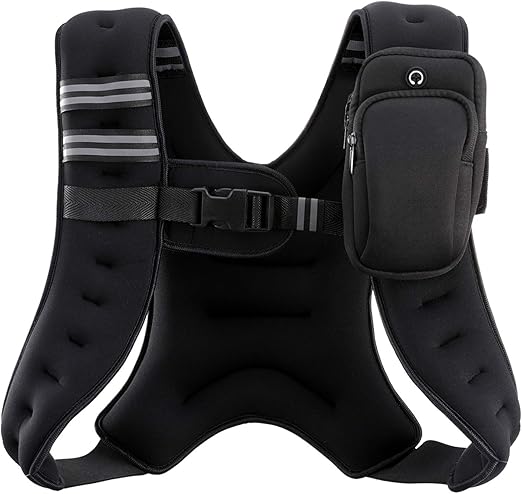
🏋️♂️ ZELUS Weighted Vest – Boost Your Workout Performance!
Available in 6lb to 30lb sizes with reflective stripes. Perfect for strength training, running, fitness, weightlifting, and weight loss.
💥 Get Yours Now for Under $32!
⚖️ Etekcity Digital Bathroom Scale – Precision You Can Trust!
Sleek design with a large blue backlit LCD, high-precision sensors, and durable 6mm tempered glass. Supports up to 400 lbs.
🔥 Shop Now for Under $149!Are Gluten-Free Foods Fattening?
In recent years, gluten-free diets have surged in popularity, often seen as a remedy for various health issues or a pathway to weight loss. However, many people wonder: are gluten-free foods actually fattening? This article will explore the reality behind gluten-free options, shedding light on their nutritional value, potential pitfalls, and how they fit into a balanced diet. We’ll also address common misconceptions and offer practical advice to help you make informed choices.
Understanding Gluten: What is it and Who Needs to Avoid It?
Before delving into gluten-free foods, it is crucial to understand what gluten is. Gluten is a type of protein found in wheat, barley, rye, and their derivatives. It helps foods maintain their shape and gives bread its chewy texture. While gluten is harmless for the majority of the population, some individuals face health challenges associated with it:
- Celiac Disease: An autoimmune disorder where ingestion of gluten leads to damage in the small intestine.
- Gluten Sensitivity: Some people experience symptoms similar to celiac disease without the autoimmune response.
- Wheat Allergy: An allergic reaction to proteins in wheat, including but not limited to gluten.
For individuals with these conditions, avoiding gluten is necessary for health and well-being. However, many people without these issues are jumping on the gluten-free bandwagon, assuming it’s a healthier alternative. But is this true?
The Misconception that Gluten-Free Equals Healthy
One major misconception is that gluten-free foods are inherently healthier than their gluten-containing counterparts. While some gluten-free products can be nutritious, many are processed and can even be higher in sugar and fat. Here’s why:
- Processing:** Gluten-free alternatives such as bread, pasta, and snacks are often made from refined grains and starches that lack the nutritional benefits of whole grains.
- Added Sugars and Fats: Many gluten-free foods are tailored for taste, which sometimes means adding extra sugars and fats to enhance flavor, making them higher in calories.
- Portion Sizes: Gluten-free products can lead to larger portion sizes, encouraging overconsumption without the eater realizing it.
This means that not all gluten-free foods are suitable for a weight loss plan; it varies significantly based on the ingredients and preparation methods.
How Gluten-Free Foods Are Made
Gluten-free products are often developed from an assortment of alternative grains and flours, including:
- Rice flour
- Corn flour
- Almond flour
- Coconut flour
- Potato starch
These alternatives vary in their nutritional content, fiber levels, and glycemic indices, which can impact weight management and overall health. For instance, while almond flour is high in healthy fats and protein, potato starch is more calorie-dense and less nutritious.
Nutrition in Gluten-Free Foods
When comparing gluten-free foods to their gluten-containing versions, it is essential to analyze the nutritional profile rather than labeling all gluten-free options as “healthy.” Here’s what to look for:
Fiber Content
Whole grain gluten products generally contain more fiber, crucial for digestive health and satiety. Many gluten-free alternatives lack fiber, as they often use refined ingredients. When shopping for gluten-free options, seek out whole food sources and products that incorporate natural fibers, such as:
- Chia seeds
- Flaxseeds
- Psyllium husk
Caloric Density
Caloric density is another factor that can make gluten-free foods more fattening. Many gluten-free products have a higher calorie count per serving compared to their gluten-containing counterparts. This can lead to excess caloric intake if you aren’t mindful of portion sizes.
Added Ingredients
Manufacturers may add ingredients like sugar, fats, or thickeners to improve texture and flavor. Examining the ingredient list on packaging can provide insights into what you might be consuming:
- Avoid ingredients such as:
- Sugar or syrups in the top three ingredients
- Hydrogenated oils
- Excessive additives
Weight Loss Considerations with Gluten-Free Diets
If you’re considering a gluten-free diet primarily for weight loss, there are some essential points to keep in mind:
Focus on Whole Foods
Opting for whole, unprocessed foods should be at the forefront of any weight loss plan, gluten-free or not. This includes:
- Fruits and vegetables: These provide vital nutrients and are generally low in calories.
- Lean proteins: Chicken, fish, legumes, and tofu can help you feel full.
- Healthy fats: Avocados, nuts, and olive oil offer satiety and balanced nutrition.
Mind the Glycemic Index
Many gluten-free flours have a higher glycemic index, meaning they can cause quicker spikes in blood sugar levels compared to whole wheat products. This can lead to increased cravings and overeating later on. Choosing lower-glycemic options can help maintain stable energy and satiety.
Portion Control
As with any diet, portion control is vital. Many people mistakenly believe they can eat unlimited gluten-free foods because they are gluten-free. Paying attention to serving sizes and total caloric intake is crucial for weight management.
Practical Tips for Choosing Gluten-Free Foods
To help navigate the gluten-free landscape while maintaining a balanced approach for weight management, here are some practical tips:
- Read Labels: Get in the habit of checking the nutrition and ingredient labels. Focus on whole food ingredients and lower-calorie counts.
- Cook at Home: Preparing meals from scratch allows you control over ingredients, portion sizes, and dietary content.
- Avoid Gluten-Free Junk Food: Just because a product is labeled gluten-free doesn’t mean it’s healthy! Treat these foods as occasional indulgences rather than staples.
- Use Whole Grains: Incorporate gluten-free whole grains like quinoa, oats (check for gluten-free labeling), and millet into your diet for added fiber and nutrients.
- Stay Hydrated: Drinking plenty of water can aid digestion and help prevent overeating.
Common Pitfalls of a Gluten-Free Diet
Going gluten-free doesn’t guarantee weight loss or better health. Here are some common mistakes people make:
- Over-relying on processed gluten-free products: This can lead to poor nutrition and increased caloric intake.
- Assuming all gluten-free food is healthy: Gluten-free doesn’t equate to low-calorie or nutritious.
- Neglecting essential nutrients: A gluten-free diet may lack B vitamins, iron, and calcium if not planned properly.
Being conscious of these pitfalls is essential for those seeking weight loss while following a gluten-free lifestyle.
The Bottom Line: Are Gluten-Free Foods Fattening?
Gluten-free foods are not automatically fattening, but many options can be, especially when they are processed or high in sugar and fats. For weight loss, focusing on nutrient-dense, whole foods while being mindful of portion sizes and ingredient lists is key. Listen to your body and choose foods that not only meet your dietary preferences but also support your overall health and weight management goals.
Ultimately, whether gluten-free is the right path for you depends on personal health needs and lifestyle choices. By staying informed and making conscious choices, you can enjoy a varied and satisfying diet.


Related Articles
Our HOME in English: Common questions about the requirements and approval difficulty for getting a personal Tea Burn Weight Loss, especially regarding credit score – see more about Tea Burn Here

Are Gluten-Free Foods Fattening?
Many people have turned to gluten-free diets, hoping to shed pounds or improve their health. However, the common misconception that gluten-free foods are inherently healthier or lower in calories can lead to weight gain instead. Often, people replace processed gluten-containing items with gluten-free equivalents that could be equally or more calorie-dense. As we navigate this topic, it’s essential to understand the nutritional content of gluten-free foods and their impact on weight loss.
Conclusion
In conclusion, while gluten-free foods can be part of a balanced diet, they are not a guaranteed solution for weight loss. Often, they contain high amounts of sugar, fat, and calories to compensate for the lack of gluten. To effectively manage weight, it’s crucial to focus on whole, nutrient-dense foods rather than solely eliminating gluten. By understanding food labels, opting for natural ingredients, and integrating a holistic approach to diet, healthier outcomes are achievable. Prioritize your overall nutrition, and remember that moderation is key on your weight loss journey!
Frequently Asked Questions
1. Are gluten-free foods always healthier?
No, many gluten-free products can be high in sugar and fats. Healthier options should be prioritized.
2. Can gluten-free foods lead to weight gain?
Yes, if gluten-free foods are high in calories and consumed in excess, it can contribute to weight gain.
3. What should I look for in gluten-free foods?
Focus on products that are low in sugar and high in fiber, such as fruits, vegetables, and whole grains.
4. Do gluten-free diets help with weight loss?
Weight loss can occur on a gluten-free diet, but it’s not guaranteed. It depends on overall dietary choices.
5. Are there healthy gluten-free snacks?
- Fresh fruits and vegetables
- Nuts and seeds
- Rice cakes
6. How can I avoid gaining weight on a gluten-free diet?
Prioritize whole foods and avoid excessive processed gluten-free products. Monitor portion sizes as well.
7. Is gluten-free bread healthier than regular bread?
It depends on the ingredients; many gluten-free breads are high in sugars and preservatives.
8. What are alternatives to gluten-containing foods?
- Quinoa
- Brown rice
- Gluten-free oats
9. How can gluten affect weight?
Some individuals may experience bloating or discomfort from gluten, impacting weight management.
10. Are gluten-free desserts high in calories?
Many gluten-free desserts can be calorie-dense, so moderation is critical.
11. What role does sugar play in weight loss?
Reducing sugar can lead to weight loss by lowering calorie intake and preventing cravings.
12. Can I lose weight just by avoiding gluten?
Simply avoiding gluten isn’t enough; a balanced diet and healthy lifestyle are essential for weight loss.
13. Are there gluten-free diets that are low in calories?
Yes, focusing on whole foods such as vegetables and lean proteins can make gluten-free diets lower in calories.
14. Should I read labels on gluten-free products?
Absolutely! Many gluten-free options can still be high in sugar and unhealthy fats.
15. What is the downside of gluten-free processed meals?
They can be high in calories and low in essential nutrients compared to whole foods.
16. Can gluten-free diets help with inflammation?
Some individuals report reduced inflammation on gluten-free diets, but results vary greatly.
17. How important is fiber in a gluten-free diet?
Fiber is crucial for digestive health and can help maintain a healthy weight.
18. Should I consult a physician before starting a gluten-free diet?
Yes, it’s advisable to consult a healthcare professional for personalized dietary advice.
19. Are there gluten-free options at fast-food restaurants?
Many fast-food places offer gluten-free items, but be cautious of cross-contamination and calories.
20. How can I satisfy my cravings without gluten?
Try fruit, yogurt, or gluten-free treats made with healthy ingredients.
21. Can I gain weight by eating too many healthy gluten-free foods?
Yes, even healthy foods can contribute to weight gain if they are consumed in excess.
22. What are some low-calorie gluten-free meal ideas?
- Grilled chicken salad
- Vegetable stir-fry with quinoa
- Zucchini noodles with tomato sauce
23. Are there gluten-free meal plans for weight loss?
Yes, many diet plans can be tailored to be gluten-free and focus on calorie control.
24. Do gluten-free grains have more nutrients?
Gluten-free grains can be nutritious, but compare their nutrient profiles to gluten-containing grains.
25. What’s the best approach to a gluten-free lifestyle?
Focus on whole, unprocessed foods, maintain balanced meals, and monitor portion sizes.


