
Are cupcakes more fattening than cookies?
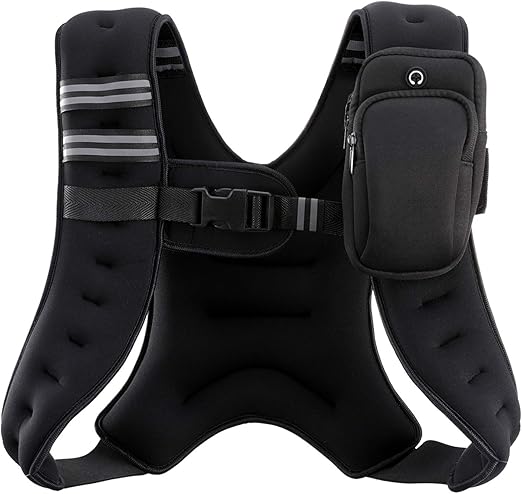
🏋️♂️ ZELUS Weighted Vest – Boost Your Workout Performance!
Available in 6lb to 30lb sizes with reflective stripes. Perfect for strength training, running, fitness, weightlifting, and weight loss.
💥 Get Yours Now for Under $32!
⚖️ Etekcity Digital Bathroom Scale – Precision You Can Trust!
Sleek design with a large blue backlit LCD, high-precision sensors, and durable 6mm tempered glass. Supports up to 400 lbs.
🔥 Shop Now for Under $149!When it comes to satisfying a sweet tooth, cupcakes and cookies are two of the most popular treats in American households. Both are beloved for their delightful flavors and satisfying textures, but many people find themselves wondering: are cupcakes more fattening than cookies? This article dives deep into the nutritional breakdown of these two desserts, exploring their calorie counts, ingredients, and how they fit into a balanced diet. We’ll also discuss portions and how the choice between cupcakes and cookies might affect your weight loss journey. So, let’s get started!
Nutritional Breakdown: Cupcakes vs. Cookies
To determine whether cupcakes are more fattening than cookies, we first need to look at their nutritional profiles. Both desserts vary greatly depending on their ingredients and preparation methods, but we can analyze a standard serving size for each.
Calories and Serving Sizes
A typical cupcake (without icing) may contain about 200-300 calories. This figure can increase dramatically with frosting and additional toppings. In contrast, a standard cookie (like a chocolate chip cookie) usually has about 50-100 calories per cookie. Here’s a quick general comparison:
- Cupcake: (without frosting) 200-300 calories
- Cupcake with frosting: 300-500 calories
- Cookie: 50-100 calories
- Large cookie: 150-200 calories
Ingredients Impacting Caloric Content
The ingredients used in cupcakes and cookies play a significant role in determining their calorie count. Here are some of the primary ingredients that can affect the healthfulness of each treat:
- Flour: Both cupcakes and cookies typically use all-purpose flour, although some healthier versions might substitute whole wheat flour.
- Sugar: The type and amount of sugar can greatly change calorie levels; some recipes use brown sugar or alternative sweeteners.
- Fats: Butter, oils, or margarine are common in both, contributing significantly to calories. For example, butter has around 100 calories per tablespoon.
- Add-ins: Chocolate chips, nuts, or dried fruit can increase calorie content substantially.
Portion Control: Does Size Matter?
When comparing cupcakes and cookies, it’s essential to consider portion size. A typical cupcake is larger than a standard cookie, which can lead to higher caloric intake. However, if you consume fewer cookies than cupcakes, you might find that cookies can still lead to a similar total caloric intake. Here’s a closer examination of how portion control affects which treat you choose:
The Psychology of Indulgence
Researchers have shown that the way desserts are presented can influence how much we consume. Larger treats like cupcakes can seem more indulgent, encouraging us to eat them more slowly and savor the flavor, potentially leading to greater satisfaction with smaller portions.
Flavor and Satisfaction: Are You Eating for Enjoyment?
Flavor also plays a role in how satisfying each treat is. While cupcakes often come with frosting and various flavors, cookies can also satisfy cravings with just one or two bites. Here’s how the flavor profiles stack up:
- Cupcakes: Rich and moist, often topped with cream cheese or buttercream frosting, providing a sweet and creamy experience.
- Cookies: Crunchy or chewy texture, offering a dense sweetness that can be just as satisfying.
Ultimately, the excitement of flavor and texture can influence how full and satisfied we feel after consuming these treats.
Healthy Alternatives and Recipes
If you’re concerned about calories but still want to indulge, there are plenty of healthier alternatives for both cupcakes and cookies. Here are some ideas and recipe suggestions for each:
Healthier Cupcake Alternatives
- Whole Wheat Cupcakes: Substitute all-purpose flour with whole wheat flour and reduce sugar for a healthier option.
- Fruit-based Cupcakes: Add applesauce or mashed bananas to add moisture and sweetness while reducing sugar and fat.
- Frosting Options: Use Greek yogurt mixed with a bit of vanilla extract as a healthier frosting alternative.
Healthier Cookie Alternatives
- Oatmeal Cookies: Use oats as a base; they are heartier and more filling.
- Nut Butters: Using almond or peanut butter can provide healthy fats while reducing flour usage.
- Dark Chocolate Chips: Replace milk chocolate chips with dark chocolate for a boost of antioxidants.
Impact on Weight Loss
When considering whether cupcakes are more fattening than cookies, it’s essential to reflect on your overall dietary habits. Both cupcakes and cookies can be enjoyed in moderation, but excessive consumption can hinder weight loss goals. Here’s how each treat affects your weight loss journey:
Caloric Surplus and Weight Gain
Gaining weight occurs when you consume more calories than your body burns. Whether you reach that surplus with cupcakes or cookies depends on your choices. Even healthy alternatives, if consumed in large quantities, can lead to clandestine weight gain. Consider these points:
- Mindful Eating: Pay attention to portion sizes and try to enjoy treats mindfully. This helps with moderation.
- Balancing Treats: If you choose to enjoy a cupcake, balance it with lighter meals throughout the day.
- Fitness Regimen: Incorporate physical activities regularly. This can offset caloric intake, allowing for treats without guilt.
Social Factors and Decision Making
Most people encounter cupcakes and cookies in social settings. Understanding social dynamics can help inform choices:
The Party Effect
Ever noticed how parties often feature a mix of treats? It can create a challenging environment for those trying to make healthier choices:
- Peer Influence: Friends and family may sway your decisions, leading you towards one dessert over another.
- Sharing and Comparison: Sharing a cupcake with friends may encourage more conscious eating; however, the same can be true for cookies.
Making Healthy Choices When Baked Goods are Around
When faced with options at a party or celebration, there are simple strategies to make healthier choices:
- Prioritize Quality: Choose desserts that look more appetizing or made with higher-quality ingredients.
- Swap Treats: If everyone is having expensive calories, consider enjoying a half serving of each to reduce intake.
- Stay Hydrated: Drinking water before indulging can help regulate appetite.
Conclusion: Cupcakes or Cookies – Making the Right Decision
The choice between cupcakes and cookies ultimately comes down to personal preference, dietary goals, and the context in which the desserts are enjoyed. Both can fit into a balanced diet when consumed mindfully. Remember, the occasional treat should not cause guilt; rather, it’s about making conscious decisions that suit your health objectives. Whether you favor the fluffy allure of a cupcake or the crisp texture of a cookie, moderation is key.
In summary, while cupcakes typically pack in more calories than cookies, the key to enjoying both lies in moderation and mindful eating. Listen to your body, enjoy the sweetness of life, and make choices that serve your health while still indulging in life’s delicious moments.


Related Articles
Our HOME in English: Common questions about the requirements and approval difficulty for getting a personal Tea Burn Weight Loss, especially regarding credit score – see more about Tea Burn Here

If you’ve ever stood in front of a bakery case debating between a cupcake and a cookie, you’re not alone. Understanding the nutritional differences between these two delightful treats could significantly impact your weight loss journey. Both cupcakes and cookies have their pros and cons, especially when it comes to sugar content, calories, and overall health benefits. This article will explore whether cupcakes are indeed more fattening than cookies and how cutting out sugar can accelerate your weight loss. Let’s dive deep!
Differences in Nutritional Content
Cupcakes typically contain more frosting and added sugars, making them richer in calories and fats compared to cookies. A standard cupcake may have around 300-400 calories, while a regular cookie averages about 50-100 calories. However, size and ingredients matter a lot.
Conclusion
In conclusion, cupcakes generally pack more calories and sugar than cookies due to their portion size and frosting. However, both can be enjoyed responsibly within a balanced diet. Cutting out sugar can aid weight loss by reducing calorie intake and minimizing insulin spikes. This leads to better hunger control, ultimately making it easier to achieve your weight loss goals. If you want to indulge without overdoing it, consider opting for healthier cookie recipes or smaller cupcake portions that satisfy your sweet tooth without sabotaging your diet.
FAQ
1. Are cupcakes generally more fattening than cookies?
Yes, cupcakes often contain more sugar and calories because of the frosting, making them more fattening than cookies.
2. How does sugar impact weight gain?
Excess sugar consumption can lead to weight gain as it contributes extra calories and spikes insulin, promoting fat storage.
3. What is the average calorie count for cookies?
A typical cookie ranges from about 50-100 calories, depending on the ingredients and size.
4. How many calories are in a typical cupcake?
Most cupcakes contain approximately 300-400 calories, primarily due to frosting and sugar.
5. Can I lose weight by cutting out sugar?
Yes, cutting out sugar can help you lose weight by reducing overall calorie intake and stabilizing blood sugar levels.
6. What types of cookies are best for weight loss?
Look for cookies made with whole grains, nuts, and natural sweeteners. These offer more nutrients and fewer empty calories.
7. Are there healthier alternatives to traditional cupcakes?
Yes, consider cupcakes made with whole grain flour or natural sweeteners for a healthier option.
8. How does frosting contribute to cupcake calories?
Frosting is high in sugar and fat, significantly increasing the calorie count of cupcakes compared to plain cookies.
9. What are the effects of reducing sugar on my body?
Reducing sugar can lead to better energy levels, weight loss, improved dental health, and lower risk of disease.
10. Can I incorporate sweets into my diet while losing weight?
Yes, moderation is key. You can enjoy sweets like cookies in smaller portions while maintaining a balanced diet.
11. How can I make healthier cookies at home?
Use whole ingredients like oats, nuts, and alternative sweeteners like honey or maple syrup for healthier cookies.
12. Are there low-calorie cupcake recipes?
Yes, recipes that replace sugar with ripe bananas or applesauce can create lower-calorie cupcakes.
13. Why do people crave sugar when dieting?
Cravings often occur due to habitual consumption, emotional triggers, or energy fluctuations related to sugar intake.
14. Will cutting out sugar improve my mood?
Yes, stabilizing blood sugar levels can lead to more consistent energy and better mood levels.
15. How often should I enjoy sweets while dieting?
It’s best to indulge occasionally. Balance is crucial – treats can fit into a healthy diet as planned snacks.
16. Can I substitute sweeteners in baking?
Natural sweeteners like stevia or erythritol can be great substitutes in baking, lowering the overall sugar content.
17. What are some tips to control sweet cravings?
Stay hydrated, eat balanced meals, and consider healthier snack alternatives to manage cravings effectively.
18. Do homemade cookies have fewer calories than store-bought ones?
Homemade cookies can often have fewer calories as you can control the ingredients and portion sizes.
19. How long can I store homemade cookies?
Homemade cookies can typically be stored in an airtight container for about a week at room temperature.
20. What should I look for on cookie packaging?
Check for high sugars, unhealthy fats, and artificial ingredients. Opt for cookies with whole foods and lower sugar content.
21. Are gluten-free cookies healthier?
Gluten-free cookies can be healthier if made with whole, nutritious ingredients. However, pay attention to sugar and fat content.
22. How does tracking sugar intake affect my diet?
Tracking sugar helps you stay aware of your intake, making it easier to meet your weight loss goals effectively.
23. Can I use applesauce as a substitute for sugar in baking?
Yes, applesauce can replace sugar in baking, providing moisture and natural sweetness without the added calories.
24. Is it true that eating sugar can lead to more cravings?
Yes, consuming sugar can create a cycle of cravings and energy spikes and drops, making you desire more food.
25. How important is portion control for weight management?
Portion control is crucial for weight management. Eating appropriate serving sizes helps keep calorie intake in check.


