
What is the most weight someone could lose in a week?
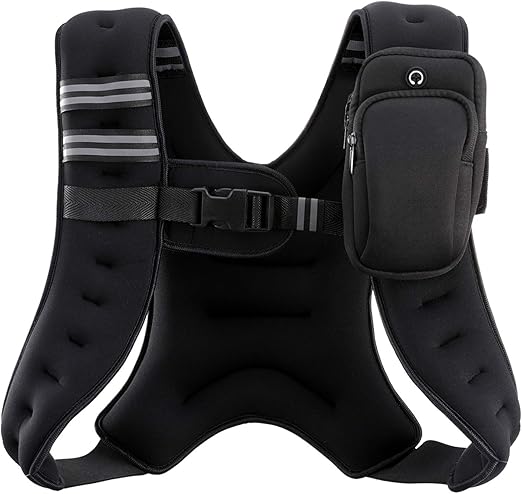
🏋️♂️ ZELUS Weighted Vest – Boost Your Workout Performance!
Available in 6lb to 30lb sizes with reflective stripes. Perfect for strength training, running, fitness, weightlifting, and weight loss.
💥 Get Yours Now for Under $32!
⚖️ Etekcity Digital Bathroom Scale – Precision You Can Trust!
Sleek design with a large blue backlit LCD, high-precision sensors, and durable 6mm tempered glass. Supports up to 400 lbs.
🔥 Shop Now for Under $149!What is the Most Weight Someone Could Lose in a Week?
If you’ve ever found yourself wondering just how much weight you can realistically lose in a week, you’re not alone. Many people embark on weight loss journeys with great enthusiasm, eager to shed pounds quickly. However, it’s essential to understand the factors that influence weight loss and to set appropriate expectations. In this article, we will explore the science behind weight loss, what influences it, and the most weight one could safely lose in a week. We’ll also provide practical tips for achieving your weight loss goals effectively and sustainably.
Understanding Weight Loss Basics
Weight loss fundamentally comes down to the balance between calories consumed and calories burned. This balance is known as your energy balance. If you consume more calories than you burn, you gain weight; if you burn more than you consume, you lose weight.
The primary factors influencing weight loss include:
- Diet: What you eat plays a critical role in weight loss. Caloric intake, macronutrient composition, and overall food choices are essential.
- Physical Activity: Regular exercise increases calorie expenditure, supporting weight loss.
- Metabolic Rate: Everyone’s metabolism is different. Some people burn calories more efficiently than others.
- Water Retention: Fluctuations in body weight can often be attributed to water retention rather than fat loss.
How Much Weight Can You Lose in a Week?
When people ask, “What’s the most weight someone could lose in a week?” the answer often varies depending on several factors. However, a safe and realistic weight loss rate is generally considered to be between 1 to 2 pounds (0.45 to 0.91 kg) per week for most individuals.
The Upper Limits of Weekly Weight Loss
Under specific circumstances, some individuals might see higher numbers on the scale early in their weight loss journey. Here are some scenarios:
- Water Weight Loss: In the initial stages of a weight loss program, significant fluid loss can result in rapid weight decreases—sometimes as much as 5 to 10 pounds (2.27 to 4.54 kg) in a week. This is especially common in low-carb diets, where glycogen stores (which hold water) are depleted.
- Drastic Caloric Restriction: Severely restricting calories can lead to faster weight loss but isn’t sustainable or healthy. This approach is not recommended as it can result in muscle loss, nutrient deficiencies, and other health issues.
- High Levels of Physical Activity: Athletes or individuals engaging in intense exercise might also see higher short-term losses due to increased energy expenditure.
The Health Risks of Rapid Weight Loss
While the prospect of quick weight loss may be appealing, it’s important to consider the potential health risks involved:
- Muscle Loss: Rapid weight loss often doesn’t differentiate between fat and muscle loss, leading to a potential decline in muscle mass.
- Nutritional Deficiencies: Restricting calories excessively can prevent intake of vital nutrients.
- Gallstones: Quick weight loss can increase the risk of gallstone formation due to changes in bile concentration.
- Metabolic Slowdown: Drastic calorie slashing may cause your metabolism to slow down, making it harder to maintain weight loss.
The Science Behind Safe Weight Loss
To achieve sustainable weight loss, it’s important to focus on strategies that promote gradual change rather than a quick fix. The following principles can help you achieve results while safeguarding your health:
Set Realistic Goals
Instead of aiming for drastic weight loss, aim for a gradual reduction that is more sustainable. Setting a goal of losing 1 to 2 pounds a week can keep you motivated while ensuring you maintain your health.
Focus on Nutrition
Concentrating on a balanced diet rich in whole foods is crucial. Here are some dietary tips:
- Increase Fiber Intake: Foods high in fiber can help you feel full for longer, reducing overall calorie consumption. Think whole grains, fruits, and vegetables.
- Choose Lean Proteins: Incorporate sources like chicken, turkey, beans, and legumes, which can help build and maintain muscle mass while losing weight.
- Limit Sugary and Processed Foods: Reducing intake of high-calorie, low-nutrient foods will contribute to a more effective weight loss.
Incorporate Physical Activity
Regular exercise is a cornerstone of weight loss. The American College of Sports Medicine recommends at least 150 minutes of moderate-intensity aerobic activity each week as part of a weight management program. Here are effective ways to incorporate exercise:
- Strength Training: Including 2-3 days of strength training can help you maintain and build muscle, which boosts your metabolism.
- Cardio: Engage in activities you enjoy, like walking, cycling, or swimming, to maintain consistency.
- Incorporate Movement: Look for ways to move more throughout the day—take stairs, walk during breaks, or add an evening stroll.
Monitoring Your Progress
Tracking your weight loss journey can help keep you accountable. Consider these methods:
- Regular Weigh-ins: Weigh yourself weekly at the same time for consistency.
- Food Journaling: Keeping track of what you eat can make you more mindful of your choices.
- Measurements: Sometimes the scale doesn’t tell the whole story; tracking inches lost can be encouraging.
Common Misconceptions About Weight Loss
When it comes to losing weight, several myths can hinder progress. Let’s address a few:
- Starving Yourself Is Effective: Starvation will lead to muscle loss, nutritional deficiencies, and won’t result in sustainable weight loss.
- Fad Diets Work Long-Term: Many fad diets result in temporary losses followed by rapid weight regain.
- More Is Better in Exercise: While physical activity is essential, it’s better to find a sustainable approach rather than extreme workouts that can lead to burnout.
Conclusion
Understanding the weight loss process is vital for achieving your goals healthily and sustainably. While it may be tempting to chase quick results, focusing on gradual, consistent change will yield better long-term outcomes. Aim for a weight loss of 1 to 2 pounds per week and be sure to celebrate small victories along the journey. By prioritizing a balanced diet, regular physical activity, and realistic goal setting, you can embark on a successful weight loss journey that leads to lasting results. Remember, the most important aspect of any weight loss plan is that it is safe and works for you personally.


Related Articles
Our HOME in English: Common questions about the requirements and approval difficulty for getting a personal Tea Weight Loss, especially regarding credit score

What is the Most Weight Someone Could Lose in a Week?
Are you curious about how much weight you can realistically lose in just one week? Many individuals embark on weight loss journeys, often hoping to shed pounds quickly. Understanding safe and sustainable weight loss ranges is essential for your health and well-being. While it’s tempting to aim for dramatic results, focusing on gradual changes can lead to lasting success. This article explores the potential weight loss range, safe practices, and answers to common questions to help guide you in your weight loss journey.
Potential Weight Loss in a Week
The average weight loss for most individuals is around 1 to 2 pounds per week. This rate is considered safe and sustainable. However, some may experience higher initial losses, especially when starting a new diet or fitness regimen, potentially shedding up to 5 pounds or more in their first week due to water weight loss. It’s crucial to prioritize your health over rapid results.
Factors Influencing Weight Loss
Several factors can affect how much weight you can lose in a week:
- Starting Weight: Heavier individuals may lose weight more quickly initially.
- Diet Changes: Adopting a calorie deficit significantly impacts weight loss.
- Exercise Routine: Regular physical activity can enhance fat loss.
- Water Retention: Factors like sodium intake can impact short-term weight loss.
- Metabolism: Individual metabolic rates can vary widely.
Conclusion
In summary, while the safe and sustainable weight loss for most people ranges from 1 to 2 pounds per week, those who are just starting may lose more initial weight due to water loss and dietary changes. It’s essential to approach weight loss thoughtfully, focusing on balanced nutrition and consistent exercise rather than extreme dieting methods. Remember, quick fixes often lead to temporary results. If you’re ready to start your journey and looking for effective tools, consider incorporating products that complement a healthy lifestyle. Achieving your weight loss goals is possible, and with the right approach, you can maintain your results for the long term.
Frequently Asked Questions
1. How much weight can I lose in a week on a crash diet?
Crash diets can lead to rapid weight loss, sometimes up to 5-10 pounds, but this is often unsustainable and unhealthy.
2. Is losing 5 pounds in a week healthy?
While some might see this as possible, it typically involves losing water weight and is not advisable for long-term health.
3. What are safe ways to lose weight?
Safe weight loss strategies include a balanced diet, regular physical activity, staying hydrated, and getting enough sleep.
4. Can exercise affect my weekly weight loss?
Yes, incorporating regular exercise can significantly enhance your weight loss efforts and improve overall health.
5. Does drinking water help with weight loss?
Staying hydrated can help with weight loss by promoting fullness and reducing calorie intake.
6. How important is diet in weight loss?
Diet is crucial; it accounts for about 80% of weight loss efforts, making a balanced diet essential.
7. Will I regain weight after losing it quickly?
Often, rapid weight loss can lead to regaining weight quickly if not supported by lifestyle changes.
8. How can I stay motivated during my weight loss journey?
Setting realistic goals, tracking progress, and finding support groups can help maintain motivation.
9. Is it okay to skip meals to lose weight faster?
No, skipping meals can lead to nutrient deficiencies and may slow down your metabolism.
10. How does sleep affect weight loss?
Quality sleep is critical; lack of sleep can disrupt hormones and increase appetite, hindering weight loss.
11. What role do portion sizes play in weight loss?
Managing portion sizes is vital for maintaining a calorie deficit, which is necessary for losing weight.
12. Are there supplements that can aid weight loss?
Some supplements may aid in weight loss, but they should be used in conjunction with diet and exercise.
13. Can I lose weight without exercise?
Yes, weight loss can occur with diet changes alone, but exercise enhances results and overall health.
14. How does stress affect weight loss?
Chronic stress can hinder weight loss due to hormonal changes that may increase appetite and cravings.
15. Should I consult a doctor before starting a weight loss program?
Yes, especially if you have underlying health conditions or plan to make significant diet or lifestyle changes.


