
How to burn 1000 calories a day?
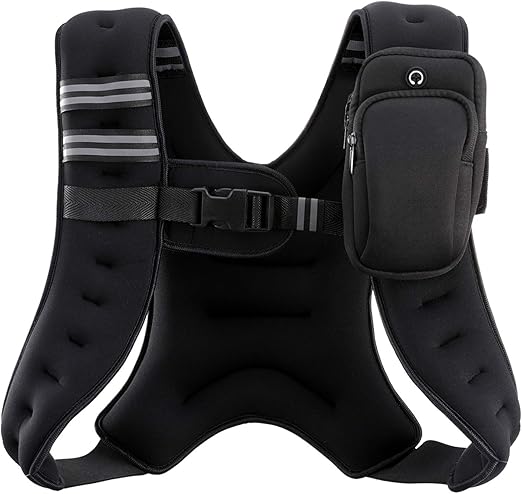
🏋️♂️ ZELUS Weighted Vest – Boost Your Workout Performance!
Available in 6lb to 30lb sizes with reflective stripes. Perfect for strength training, running, fitness, weightlifting, and weight loss.
💥 Get Yours Now for Under $32!
⚖️ Etekcity Digital Bathroom Scale – Precision You Can Trust!
Sleek design with a large blue backlit LCD, high-precision sensors, and durable 6mm tempered glass. Supports up to 400 lbs.
🔥 Shop Now for Under $149!How to Burn 1000 Calories a Day?
Are you looking to supercharge your weight loss journey? Burning 1000 calories a day can seem like a daunting task, but with the right strategy, it is entirely achievable. In this article, we will explore various effective methods to help you reach that caloric deficit goal. We’ll cover everything from exercise routines to dietary adjustments and lifestyle changes that contribute to burning calories efficiently. Whether you’re aiming for fitness or simply looking to shed pounds, you’ve come to the right place!
Understanding Caloric Burn
Before diving into methods to burn 1000 calories a day, it’s essential to understand the science behind caloric burn. Your body burns calories through three primary activities:
- Basal Metabolic Rate (BMR): This is the number of calories your body needs to maintain basic physiological functions at rest, such as breathing, circulation, and cell production.
- Physical Activity: This includes calories burned through exercise and daily movements, from walking to more structured workouts.
- Thermic Effect of Food (TEF): This refers to the energy your body uses for digesting, absorbing, and metabolizing food.
To burn 1000 calories a day, you’ll need to increase your caloric expenditure through physical activity and make mindful dietary choices.
Effective Exercises to Burn Calories
Engaging in physical activity is one of the most effective ways to increase your caloric burn. Here are some exercises that you can incorporate into your routine:
High-Intensity Interval Training (HIIT)
HIIT workouts alternate between intense bursts of activity and short rest periods. This type of exercise can burn a significant number of calories in a short amount of time.
- Duration: 20-30 minutes
- Calories Burned: Approximately 300-400 calories
Running or Jogging
One of the most straightforward and effective cardio exercises is running. Depending on your speed and weight, running can be a calorie-torching workout.
- Duration: 60 minutes at a moderate pace
- Calories Burned: 600-800 calories
Cycling
Cycling, whether on a stationary bike or outdoors, can be an enjoyable way to burn calories while being low-impact.
- Duration: 60 minutes of vigorous cycling
- Calories Burned: 500-700 calories
Swimming
Swimming is a fantastic full-body workout that is easy on the joints while providing a great calorie burn.
- Duration: 60 minutes of continuous lap swimming
- Calories Burned: 400-600 calories
Strength Training
Working out with weights may not burn as many calories during the session, but it helps build muscle mass, which can increase your BMR.
- Duration: 60 minutes
- Calories Burned: 200-500 calories (varies based on intensity)
Incorporating Daily Activities
In addition to structured exercise, everyday activities can also contribute significantly to calorie burning.
Incorporate Movement into Your Day
- Take the stairs instead of the elevator.
- Walk or cycle to work instead of driving.
- Engage in household chores, such as cleaning or gardening.
These small changes can add up over the course of a day, helping you inch closer to that 1000-calorie goal.
Dietary Changes to Support Caloric Deficit
While exercise is crucial for burning calories, your diet plays a significant role as well. Making smarter food choices can allow you to achieve a caloric deficit without feeling deprived.
Focus on Whole Foods
Incorporating whole foods that are high in fiber and protein can keep you fuller for longer, helping you control your hunger and energy intake.
- Fruits and Vegetables: Packed with vitamins, minerals, and fiber
- Whole Grains: Opt for oats, brown rice, and whole-grain bread
- Lean Proteins: Consider chicken, turkey, fish, legumes, and tofu
Control Portion Sizes
Being mindful of portion sizes can significantly reduce your calorie intake without making drastic changes to your diet.
- Use smaller plates: Visually trick your brain into thinking you’re eating more.
- Be mindful while eating: Focus on your food and avoid distractions.
Stay Hydrated
Drinking water can aid in weight loss and calorie burning. Sometimes, thirst is mistaken for hunger.
- Drink a glass of water before meals: This can fill you up, helping you eat less.
- Choose water over sugary beverages: Soft drinks and juices can add unnecessary calories.
Consider Intermittent Fasting
Intermittent fasting is an eating pattern that alternates between eating and fasting periods. This method can help with weight loss and calorie burning when done correctly.
- Popular methods: 16/8 method (fast for 16 hours, eat during an 8-hour window).
- Focus on nutrient-dense foods: During eating periods, prioritize whole foods for maximum benefits.
Optimize Your Lifestyle for Weight Loss
Your daily habits and routines can have a significant impact on your caloric burn and overall weight loss journey. Here are some lifestyle changes to consider:
Get Enough Sleep
Sleep is crucial for weight management. Lack of sleep can disrupt hormones that regulate appetite and metabolism.
- Aim for 7-9 hours: Adequate rest can help you maintain energy levels and make healthier choices.
- Establish a bedtime routine: Create an environment conducive to sleep, such as dimming lights or reducing screen time before bed.
Manage Stress
High-stress levels can lead to emotional eating and weight gain. Engaging in stress management techniques can support your weight loss efforts.
- Practice mindfulness: Consider yoga or meditation to center your thoughts.
- Engage in hobbies: Allocate time for activities you enjoy to reduce stress.
Track Your Progress
Keeping track of your food intake and exercise can help you stay accountable and motivated on your weight loss journey.
- Use apps: Consider food tracking apps to monitor caloric intake and exercise.
- Set goals: Break down your 1000-calorie goal into manageable daily achievements.
Sample Workout Plan to Burn 1000 Calories
To give you an idea of how to structure your day, here’s a sample workout plan that can help you reach 1000 calories burned:
- Morning:
- 30 minutes of HIIT (burns approximately 300-400 calories)
- 15 minutes of strength training (burns approximately 150-200 calories)
- Afternoon:
- 30 minutes of brisk walking or jogging (burns approximately 250-300 calories)
- 15 minutes of bodyweight exercises (burns approximately 100 calories)
- Evening:
- 60 minutes of cycling or swim (burns approximately 400-600 calories)
By following this structured plan, you can effectively mix high-intensity workouts with aerobic exercises to achieve your goal of burning 1000 calories a day.
Final Considerations on Your Journey
Burning 1000 calories a day requires commitment, consistency, and a holistic approach to health. Combine various forms of exercise, dietary adjustments, and lifestyle improvements for the best results. Remember, every individual is different; it’s essential to find what works for you and suits your lifestyle. As you embark on this journey, stay motivated by celebrating small victories and keep your eyes on your end goals for a healthier, fitter you!


Related Articles
Our HOME in English: Common questions about the requirements and approval difficulty for getting a personal Tea Weight Loss, especially regarding credit score

How to Burn 1000 Calories a Day?
Are you looking to shed some pounds and achieve your weight loss goals? Burning 1000 calories a day might seem daunting, but it’s entirely achievable with the right strategies and commitment. A combination of exercise, diet, and lifestyle changes can help you reach this target effectively. By incorporating high-intensity workouts, elevating your daily activity levels, and making smart dietary choices, you can create a calorie deficit that paves the way for successful weight loss. In this article, we explore practical tips and methods to help you burn 1000 calories daily, empowering you on your journey to a healthier, fitter you.
Ways to Burn 1000 Calories
- Engage in High-Intensity Interval Training (HIIT): Short bursts of intense exercise followed by rest can burn significant calories.
- Go for a Run: Running at a steady pace for one hour can help you burn around 600-800 calories.
- Strength Training: Lifting weights can enhance your metabolism and promote calorie burning even after exercise.
- Increase Daily Activities: Simple changes like taking the stairs or walking during breaks can add up.
- Nutrition Matters: Eating a balanced diet with fewer calories can assist in creating a deficit.
Conclusion
Burning 1000 calories a day is not just a dream; it’s an achievable target with a structured approach. By integrating high-energy workouts with lifestyle modifications, you can effectively reach this goal. Remember, consistency is key, and complementing your physical activities with healthy eating is essential for long-term success. Whether you’re trying to lose weight for health reasons or personal goals, making informed choices will lead you to a healthier lifestyle. Start today and transform your body while improving your overall well-being!
FAQ
1. What exercises burn the most calories?
Exercises like running, cycling, swimming, and high-intensity interval training (HIIT) are among the most effective for burning calories.
2. How long do I need to exercise to burn 1000 calories?
The duration depends on your weight and exercise choice. Typically, it may require 1.5 to 2.5 hours of intense activity.
3. Can I burn 1000 calories a day without exercising?
It’s challenging but possible through high levels of daily activities combined with a low-calorie diet to create a significant deficit.
4. How does strength training help with burning calories?
Strength training builds muscle, which increases your resting metabolic rate, allowing you to burn more calories even while at rest.
5. What is the role of diet in burning calories?
A balanced diet that supports a calorie deficit is crucial for weight loss. Focus on whole foods to fuel your workouts.
6. Is it safe to aim for burning 1000 calories every day?
For most people, burning 1000 calories daily is safe if done gradually and with proper nutrition. Consult a healthcare professional for personalized advice.
7. Can I track my calories burned accurately?
Yes, using fitness trackers or apps can help estimate your calorie expenditure, but remember they may not always be 100% accurate.
8. How important is hydration in the weight loss process?
Staying hydrated aids metabolism and can help control appetite, making it easier to stick to your weight loss plan.
9. Are there specific foods that help burn more calories?
Foods high in protein, fiber, and healthy fats can enhance metabolism, such as lean meats, legumes, and green vegetables.
10. What’s the best time to work out for maximum calorie burn?
While any time is effective, many find mornings beneficial for energy levels and consistency in sticking to an exercise routine.
11. Can I burn calories through everyday activities?
Absolutely! Activities like cleaning, gardening, or even standing instead of sitting burn calories over time.
12. How can I stay motivated to burn calories daily?
Set achievable goals, track your progress, and find a workout buddy to stay accountable and motivated.
13. What role does sleep play in weight loss?
Quality sleep is vital as insufficient rest affects hormones that regulate appetite and metabolism, leading to weight gain.
14. Is it possible to gain muscle while losing fat?
Yes, it can be done through a combination of strength training, adequate protein intake, and a controlled calorie deficit.
15. Should I focus on cardio or strength training for burning calories?
A balanced approach is best. Incorporate both to maximize calorie burn and build muscle for overall weight loss effectiveness.


