
What is a realistic goal to lose 30 pounds?
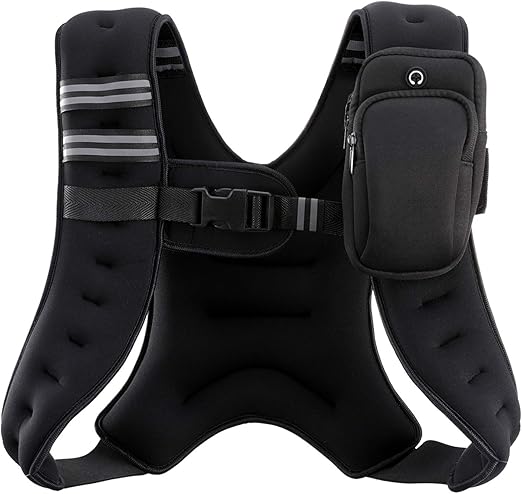
🏋️♂️ ZELUS Weighted Vest – Boost Your Workout Performance!
Available in 6lb to 30lb sizes with reflective stripes. Perfect for strength training, running, fitness, weightlifting, and weight loss.
💥 Get Yours Now for Under $32!
⚖️ Etekcity Digital Bathroom Scale – Precision You Can Trust!
Sleek design with a large blue backlit LCD, high-precision sensors, and durable 6mm tempered glass. Supports up to 400 lbs.
🔥 Shop Now for Under $149!What is a Realistic Goal to Lose 30 Pounds?
Embarking on a weight loss journey can often feel overwhelming, especially when aiming for a specific target, such as losing 30 pounds. Many individuals may wonder what a realistic plan looks like, how long it might take, and what steps they can take to achieve their goals. This comprehensive guide will provide you with all the information you need to set a realistic weight loss target, detailing effective strategies and essential tips for sustainable results. Whether you’re preparing for an event, looking to boost your health, or simply want to feel better in your own skin, understanding how to lose 30 pounds can set the foundation for your success.
Understanding Weight Loss Fundamentals
Before we dive into goal-setting and strategies, it’s essential to grasp the basic principles of weight loss.
- Caloric Deficit: Weight loss fundamentally occurs when you burn more calories than you consume. This caloric deficit can be achieved through a combination of eating fewer calories and increasing physical activity.
- Healthy Rate of Weight Loss: Aiming for a weight loss of 1 to 2 pounds per week is generally considered safe and sustainable. This translates to a caloric deficit of about 500-1000 calories per day.
- Metabolism: Factors such as age, sex, weight, and activity level influence your metabolic rate, which can affect how efficiently you lose weight.
Setting Realistic Goals for Losing 30 Pounds
When setting your weight loss goal, it is crucial to consider both time and sustainability. Losing 30 pounds is a significant achievement, and doing so in a realistic timeframe will facilitate long-term weight maintenance.
Timeframe for Losing 30 Pounds
Based on the recommended weight loss rate of 1 to 2 pounds per week, here’s how long it would typically take to lose 30 pounds:
- At 1 pound per week: Approximately 30 weeks (or about 7 months).
- At 2 pounds per week: Approximately 15 weeks (or about 4 months).
Choosing a pace that feels right for you is essential. Some may prefer a slower, more gradual approach, while others may want to challenge themselves with more aggressive goals. Always listen to your body and adjust accordingly.
SMART Goals Framework
Using the SMART criteria can help you create effective weight loss goals. SMART stands for:
- Specific: Define exactly what you want to achieve. Instead of saying, “I want to lose weight,” specify, “I want to lose 30 pounds.”
- Measurable: Ensure your goal can be tracked. For example, weekly weigh-ins can provide insight into your progress.
- Achievable: Set a target that is realistic for your lifestyle, obligations, and habits. Don’t set yourself up for failure!
- Relevant: Your goal should align with your overall health objectives. Why do you want to lose 30 pounds? Keep your motivation in mind.
- Time-bound: Create a timeline for your goal. This will help you stay on track and assess whether your plan is working.
Effective Strategies for Losing 30 Pounds
Now that you have a solid framework for goal-setting, let’s explore various strategies that can help you achieve your weight loss target.
Dietary Changes
An effective weight loss plan invariably begins in the kitchen. Here are some dietary changes that can lead to sustainable weight loss:
- Portion Control: Pay attention to serving sizes. Choosing smaller plates or measuring out portions can prevent overeating.
- More Whole Foods: Focus on whole foods such as fruits, vegetables, lean proteins, whole grains, and healthy fats. These foods are nutrient-dense and can keep you feeling satisfied.
- Minimize Processed Foods: Reduce your intake of highly processed foods, which often contain added sugars, unhealthy fats, and empty calories.
- Mindful Eating: Take time to savor your meals, eliminate distractions (like screens), and listen to your hunger cues. This practice can help prevent overeating.
- Stay Hydrated: Drinking enough water can suppress appetite and enhance your metabolism. Aim for at least 8 glasses a day and consider drinking a glass of water before meals.
Incorporating Exercise
Alongside dietary changes, regular physical activity is key to losing weight. Here are some exercise tips to keep in mind:
- Mix It Up: Incorporating both aerobic exercises (like walking, running, or cycling) and strength training can optimize fat loss and muscle preservation.
- Set a Schedule: Create a consistent routine by scheduling workouts into your day. Aim for at least 150 minutes of moderate-intensity aerobic exercise weekly.
- Find Activities You Enjoy: Whether it’s dancing, swimming, or hiking, choosing activities that you love will make it easier to stick with them.
- Incorporate Movement: Look for opportunities to be active throughout the day. Consider walking instead of driving for short errands or taking the stairs instead of the elevator.
Behavioral Changes
Implementing behavioral changes is equally important to achieving your weight loss goal:
- Set Short-Term Goals: Break your bigger goal into smaller, achievable milestones. Celebrate these wins to stay motivated.
- Track Your Progress: Keep a food diary or use mobile apps to monitor your food intake and physical activity, helping you stay accountable.
- Seek Support: Share your goals with friends, family, or a weight loss group. Having support can make a significant difference in your journey.
- Practice Self-Compassion: Understand that setbacks can occur. Don’t be too hard on yourself; instead, learn from them and move on.
Adjusting Your Plans as You Go
As you progress in your weight loss journey, keep in mind that flexibility is key. Here are some tips for adjusting your plans:
- Listen to Your Body: If you’re feeling fatigued or unwell, it may be time to reassess your dietary or exercise plans.
- Re-evaluate Goals: After reaching the halfway point (losing 15 pounds in this case), consider whether your timeline and strategies are working.
- Change Up Your Routine: If you’ve hit a plateau, shaking up your exercise routine or revising your diet can help kickstart progress.
Common Challenges and How to Overcome Them
Every weight loss journey may come with its own set of challenges. Here are some common obstacles and solutions:
- Plateaus: If you stop losing weight, don’t get discouraged. Evaluate your caloric intake and exercise regimen. Sometimes, even small adjustments can reignite your results.
- Emotional Eating: Many people often turn to food for comfort or boredom. Consider finding alternative coping strategies, like taking a walk or picking up a hobby.
- Social Situations: Parties and gatherings can present temptations. Prepare yourself by having a healthy snack before attending or planning your meal choices in advance.
The Role of Professional Guidance
If you’re feeling stuck or overwhelmed, enlisting the help of a professional can provide you with the support you need:
- Dietitians: Consider consulting a registered dietitian who can create a personalized meal plan that aligns with your goals.
- Personal Trainers: A trainer can help you devise a tailored workout routine and keep you motivated.
- Therapists or Counselors: If emotional eating is impacting your progress, working with a therapist can help address underlying issues.
Staying Motivated Throughout Your Journey
Maintaining motivation is crucial as you work towards losing those 30 pounds. Here are some effective strategies to keep your spirits high:
- Visualize Success: Keep visual reminders of your goals, such as photos or motivational quotes, to inspire you.
- Join a Support Group: Being part of a community focused on weight loss can provide accountability and a sense of belonging.
- Regular Check-Ins: Schedule periodic assessments of your progress to celebrate your successes and adjust your plans if necessary.
By setting realistic goals, understanding weight loss fundamentals, incorporating effective strategies, and maintaining motivation, you can confidently embark on your journey to lose 30 pounds. Remember, it’s not just about reaching a number on the scale; it’s about making lasting changes that enhance your overall quality of life.


Related Articles
Our HOME in English: Common questions about the requirements and approval difficulty for getting a personal Tea Weight Loss, especially regarding credit score

What is a Realistic Goal to Lose 30 Pounds?
Many people endeavor to lose weight for various reasons, whether to improve health, boost confidence, or fit into that perfect outfit. But how realistic is it to aim for losing 30 pounds? Setting a *realistic goal* is essential for sustainable weight loss. This means understanding the balance between diet, exercise, and lifestyle changes while maintaining a positive mindset. With consistency and dedication, shedding those pounds can be achievable. Let’s dive into what realistic goals look like and how to reach them effectively.
Setting Realistic Weight Loss Goals
The *general recommendation* for healthy weight loss is about 1-2 pounds per week. To lose 30 pounds, this could take about 15 to 30 weeks. Key factors include:
- Caloric Deficit: Consuming fewer calories than you burn.
- Balanced Diet: Incorporating various food groups for nutrition.
- Exercise Regularly: Aim for at least 150 minutes of moderate aerobic activity each week.
- Hydration: Drink plenty of water throughout your weight loss journey.
Staying realistic and setting smaller, incremental goals can make the process less daunting and more achievable.
The Benefits of a Gradual Approach
Taking smaller steps can lead to lasting changes, such as:
- Improving dietary habits over time.
- Reducing the risk of weight re-gain.
- Building sustainable exercise routines.
- Encouraging positive mental health.
Conclusion
In conclusion, setting a realistic goal to lose 30 pounds takes patience, planning, and commitment. Strive for a slow and steady approach by focusing on a balanced diet, regular exercise, and small weekly targets. Celebrate each milestone to keep motivation high. Remember, it’s not just about losing weight; it’s about creating a healthier lifestyle that you can maintain long-term. By investing in your health, you are also investing in your happiness and self-esteem. Make this journey enjoyable, choose the right tools, and embrace the transformation!
FAQs about Losing 30 Pounds
1. How long does it typically take to lose 30 pounds?
It can take approximately 15 to 30 weeks, aiming for 1-2 pounds of weight loss per week.
2. What is the best diet for losing 30 pounds?
A balanced diet rich in fruits, vegetables, lean proteins, and whole grains can help you achieve your goal.
3. Can I lose 30 pounds without exercising?
While diet plays a significant role, combining exercise with dietary changes enhances your weight loss efforts and improves overall health.
4. What exercises are best for weight loss?
Cardiovascular exercises like walking, running, swimming, and cycling are effective for burning calories and fat.
5. Should I use meal replacement shakes?
Meal replacement shakes can be useful for controlling calories, but aim to incorporate whole foods for overall nutrition.
6. How important is hydration when losing weight?
Staying hydrated is essential as water can help control hunger and supports metabolic processes.
7. Can I lose weight on a low-carb diet?
Yes, low-carb diets may be effective for weight loss, but they should include a variety of healthy foods for balance.
8. Is it normal to hit plateaus during weight loss?
Yes, plateaus are common; it’s important to adjust your diet or exercise routine when this happens.
9. Should I count calories when trying to lose weight?
Counting calories can be beneficial to create a caloric deficit, but it’s not essential for everyone.
10. How do I stay motivated while losing weight?
Set small, achievable goals, track your progress, and involve friends or support groups for encouragement.
11. Is it safe to lose weight quickly?
Losing weight quickly can be unsafe; aim for a steady pace of 1-2 pounds per week for health reasons.
12. Can stress affect my weight loss?
Yes, stress can lead to emotional eating and hormonal changes that may hinder weight loss efforts.
13. Are there any supplements that can help me lose weight?
Some supplements may aid in weight loss, but consult a healthcare professional before use for safety.
14. Is it possible to lose weight and build muscle at the same time?
Yes, with a balanced diet and proper training, you can lose fat while gaining muscle, although it’s a slower process.
15. Should I consult a professional before starting my weight loss journey?
Consulting with a healthcare provider or a dietitian can provide personalized guidance suited to your specific needs.


