
Why am I not losing weight eating 1200 calories a day?
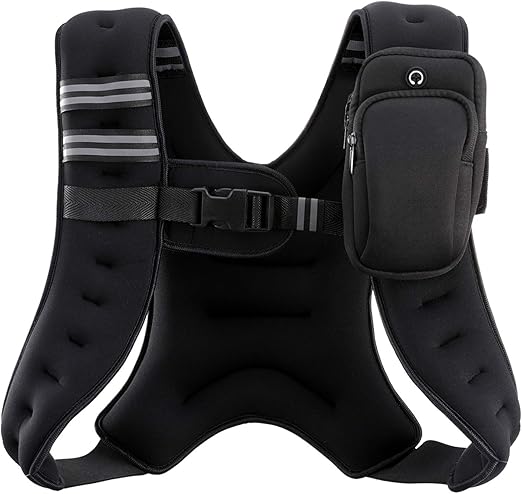
🏋️♂️ ZELUS Weighted Vest – Boost Your Workout Performance!
Available in 6lb to 30lb sizes with reflective stripes. Perfect for strength training, running, fitness, weightlifting, and weight loss.
💥 Get Yours Now for Under $32!
⚖️ Etekcity Digital Bathroom Scale – Precision You Can Trust!
Sleek design with a large blue backlit LCD, high-precision sensors, and durable 6mm tempered glass. Supports up to 400 lbs.
🔥 Shop Now for Under $149!If you’ve found yourself stuck in a weight loss plateau while consuming just 1200 calories a day, you’re not alone. Many people experience frustration when they don’t see results despite their efforts. This article will explore the myriad reasons why you might not be losing weight on a 1200-calorie diet, addressing both physiological and lifestyle factors. By the end, you’ll have a clearer understanding of what might be hindering your progress and discover actionable steps to help you reach your weight loss goals.
Understanding Caloric Deficit
To lose weight, one must operate in a caloric deficit, meaning you burn more calories than you consume. The concept sounds simple, but several factors can complicate this process. Eating 1200 calories a day can create a significant deficit for some, leading to weight loss. However, hormonal, metabolic, and lifestyle factors can influence how effective this caloric limit is for you.
Why 1200 Calories Might Not Be Enough
While 1200 calories may seem low enough to promote weight loss, it could lead to various issues:
- Metabolic Adaptation: When you consume fewer calories, your body can adapt by slowing down your metabolism. This means you’ll burn fewer calories at rest, making it harder to lose weight.
- Muscle Loss: A reduced caloric intake can lead not just to fat loss, but to muscle loss as well. Less muscle mass means a lower basal metabolic rate, further hindering weight loss.
- Nutrient Deficiencies: Consuming only 1200 calories can limit essential nutrients, potentially impacting your body’s overall functionality and weight loss efforts.
- Hunger and Cravings: A very low-calorie intake can cause increased hunger and cravings, leading many to stray from their diets.
Potential Causes for Weight Loss Plateaus
1. Water Retention
Your body might be retaining water for various reasons: dietary choices, hormonal changes, and more. This can mask fat loss and make it seem like you’re not progressing. Common culprits include:
- Sodium intake
- High carbohydrate intake
- Hormonal fluctuations during menstruation for women
2. Hormonal Imbalances
Hormones play a crucial role in regulating weight. Imbalances in hormones, such as insulin, cortisol, and thyroid hormones, can impede weight loss effectiveness. Consider consulting with a healthcare provider to assess your hormonal health.
3. Inaccurate Caloric Tracking
Many assume they are consuming 1200 calories, but inaccuracies can happen easily. Hidden calories can come from:
- Cooking oils and dressings
- Snacks that are unaccounted for
- Inaccurate portion sizes
4. Low Energy Levels and Fatigue
A drastic reduction in calories can lead to fatigue, affecting your level of activity. Lower energy affects your workout, leading to fewer calories burned.
5. Overeating on Low-Calorie Diets
Sometimes, 1200 calories may comprise primarily low-calorie foods, which can lead to overeating in volume. This can contribute to consuming more calories than intended without recognizing it.
6. Lack of Exercise
While diet is crucial for weight loss, physical activity also plays a vital role. If you’re not incorporating exercise, especially strength training, you might not see results as quickly.
Strategies for Overcoming Weight Loss Challenges
Now that you understand some reasons why you may not be losing weight when consuming 1200 calories a day, let’s discuss strategies to overcome these hurdles:
1. Reassess Your Caloric Needs
Try using an online calculator to evaluate your daily caloric needs based on factors like age, gender, weight, height, and activity level. You may need to adjust your intake:
- Increase calories slightly to avoid metabolic slowdown
- Target a range of 1500-1800 calories for sustainable weight loss if you’re very active
2. Improve Nutritional Quality
Focus on whole foods rich in nutrients to meet your caloric needs. Incorporate:
- Lean proteins: Chicken, turkey, fish, beans
- Healthy fats: Avocados, nuts, olive oil
- Fruits and vegetables: A variety of colors and types
3. Incorporate Strength Training
Building muscle boosts your basal metabolic rate, helping you burn more calories over time. Aim for strength training sessions at least twice a week.
4. Increase Physical Activity
Aim for at least 150 minutes of moderate-intensity aerobic activity each week. Consider:
- Walking, jogging, or cycling
- Group fitness classes
- Joining a recreational sports team
5. Stay Hydrated
Drink plenty of water throughout the day. Sometimes, thirst can be mistaken for hunger.
6. Manage Stress
High stress levels can lead to the secretion of cortisol, which may contribute to weight gain. Consider incorporating activities that promote relaxation, such as:
- Meditation
- Yoga
- Deep-breathing exercises
7. Monitor Your Progress
Keep track of your food intake, physical activity, and weight changes. This data can help identify areas where adjustments might be necessary.
The Importance of Patience
Weight loss isn’t always linear. Understand that it’s normal for progress to stall temporarily. Stay consistent with your efforts and remember that lasting change takes time. Instead of focusing solely on the scale, consider measuring progress through:
- Body measurements
- Clothing fit
- Energy levels
When to Seek Professional Help
If you’ve tried adjusting your diet, exercise, and lifestyle without seeing results, consider consulting a healthcare provider or a registered dietitian. They can help you identify specific issues that may be hindering your weight loss journey, including potential medical conditions.
In summary, while consuming 1200 calories a day may seem like a straightforward approach to weight loss, it can be influenced by many factors. Understanding your body and its needs, and adopting a holistic approach to your health, can lead to successful weight management over time.


Related Articles
Our HOME in English: Common questions about the requirements and approval difficulty for getting a personal Tea Weight Loss, especially regarding credit score

Why Am I Not Losing Weight Eating 1200 Calories a Day?
Struggling to lose weight while eating 1200 calories a day can be frustrating. Many people wonder, “If I’m consuming fewer calories, why aren’t the pounds dropping off?” The answer can be multifaceted—ranging from metabolic adaptations to dietary choices. Understanding these factors is crucial for crafting an effective weight loss strategy.
Understanding Caloric Needs
Your body requires a certain number of calories to maintain its current weight, known as your Total Daily Energy Expenditure (TDEE). Eating 1200 calories might be below this number, but several factors can impede weight loss.
- Metabolic Adaptation: The body can adapt to lower calorie intake by slowing down metabolism.
- Muscle Mass: Muscle burns more calories at rest, and losing it can affect weight loss.
- Food Quality: Not all calories are equal; processed foods might hinder weight loss.
Common Reasons You May Not Be Losing Weight
- Inaccurate Calorie Counting: Misjudging portion sizes can lead to consuming more than 1200 calories.
- Not Eating Enough Protein: Protein is essential for maintaining muscle mass.
- Overeating on Cheating Days: If you have ‘free’ days, they can sabotage progress.
- Hormonal Factors: Hormones can significantly impact metabolism and weight loss.
- Water Retention: Fluctuations in water retention can mask fat loss.
15 Questions and Answers
1. Is 1200 calories too low for everyone?
Yes, caloric needs differ by individual. Consulting a professional to determine your specific needs is essential.
2. Can I lose weight without exercise on 1200 calories?
While possible, exercise enhances weight loss by increasing calorie expenditure and preserving muscle mass.
3. What if I hit a weight loss plateau?
Review your diet and exercise routine; a small change may reignite weight loss progress.
4. Are there specific foods I should avoid?
Avoid high-sugar, high-fat processed foods; focus on whole foods for nutrient density.
5. How can I track my calorie intake accurately?
Use a food diary app or a kitchen scale to help ensure you’re tracking your intake correctly.
6. Can stress affect my weight loss?
Yes, stress can lead to hormonal changes that cause weight gain or hinder loss.
7. How important is hydration in weight loss?
Staying hydrated supports metabolism and helps manage hunger levels.
8. Should I focus on cardio or strength training?
Both are important; strength training helps maintain muscle while cardio aids in burning calories.
9. How quickly should I expect to lose weight?
Sustainable weight loss is typically 1-2 pounds per week; rapid weight loss can be unhealthy.
10. Can I eat carbs and still lose weight?
Yes! Carbohydrates provide energy. Focus on complex carbs for better nutrition.
11. Are “detox” diets effective for weight loss?
Detox diets often lead to temporary weight loss due to fluid loss, not fat loss.
12. What role does sleep play in weight loss?
Lack of sleep can disrupt hormones that regulate appetite, making weight loss more challenging.
13. Is it normal to gain weight when starting a new diet?
Yes, initial weight changes can occur due to water retention or muscle gain.
14. Should I consider supplements for weight loss?
Consult a healthcare professional before trying supplements; a balanced diet is usually sufficient.
15. How can I stay motivated during my weight loss journey?
Set realistic goals, track progress, and celebrate small victories to maintain motivation.
Conclusion
If you’re not losing weight eating 1200 calories a day, don’t lose hope. Factors such as metabolic adaptation, food quality, and stress can all play a role in your journey. It’s important to assess and adjust your diet and lifestyle holistically. Seeking guidance from a professional can help you navigate these hurdles effectively. Remember, achieving your weight loss goals takes time, effort, and a personalized approach tailored to your body’s unique needs. Stay committed, and consider investing in products that support your health and wellness journey!


