
Can eating too quickly make you fat?
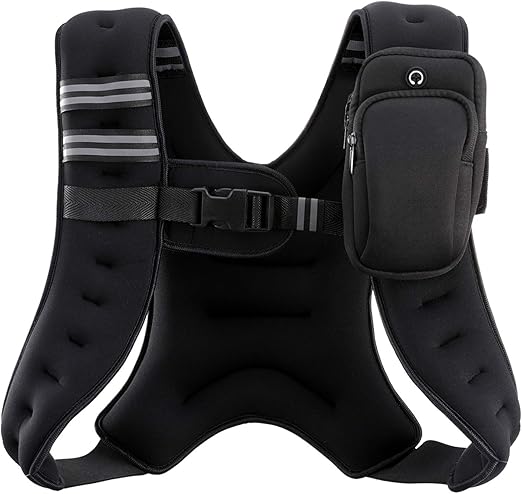
🏋️♂️ ZELUS Weighted Vest – Boost Your Workout Performance!
Available in 6lb to 30lb sizes with reflective stripes. Perfect for strength training, running, fitness, weightlifting, and weight loss.
💥 Get Yours Now for Under $32!
⚖️ Etekcity Digital Bathroom Scale – Precision You Can Trust!
Sleek design with a large blue backlit LCD, high-precision sensors, and durable 6mm tempered glass. Supports up to 400 lbs.
🔥 Shop Now for Under $149!Can Eating Too Quickly Make You Fat?
In the fast-paced world we live in, it’s all too easy to rush through meals. Between juggling work, family, and social commitments, sitting down to savor every bite often feels like a luxury we can’t afford. But have you ever wondered if eating too quickly could be impacting your waistline? In this article, we’ll delve into the relationship between eating speed and weight gain, looking at how our eating habits can influence our bodies, metabolism, and overall health.
Understanding Eating Speed
Eating speed refers to the rate at which you consume your meals, and it encompasses everything from how quickly you chew your food to how fast you serve yourself portions. Research suggests that our eating habits can significantly impact our body’s metabolism, hunger signals, and ultimately, our weight. Here are some critical points to consider:
- Mindful Eating: Eating slowly promotes mindfulness, allowing you to enjoy your food and recognize your body’s hunger and satiety signals.
- Digestive Efficiency: Chewing food thoroughly aids digestion, as it allows your enzymes to break down nutrients more effectively.
- Hormonal Responses: How quickly you eat can influence the release of hormones that regulate hunger and fullness.
Eating Quickly and Weight Gain
Multiple studies have demonstrated a link between eating quickly and an increased risk of obesity and weight gain. Here’s why:
1. Misreading Hunger Signals
When you eat rapidly, your body may not have enough time to signal to your brain that you are full. The brain typically takes about 20 minutes to receive signals from the stomach. If you finish your meal well before this window closes, you might consume more calories than you actually need, leading to weight gain over time.
2. Poor Digestion
Eating too quickly can lead to indigestion. When food isn’t broken down properly, it can cause bloating and discomfort. This not only makes you feel worse but can also lead to cravings for more food as your body seeks comfort and satisfaction that isn’t achieved during your meal.
3. Emotional Eating
For many people, rushing through meals can be a signal to eat mindlessly. Instead of paying attention to what and how much you’re eating, you may turn to food for emotional comfort. This can lead to overeating and can develop into unhealthy patterns over time.
4. Nutrient Absorption Issues
Fast eaters might consume more processed foods, which are often easier to eat quickly. These foods tend to be less nutritious and can lead to poor dietary habits. When your meals lack nutrients, your body doesn’t feel satisfied, often leading you to eat more.
The Science Behind Eating Speed and Obesity
Several studies provide concrete evidence associating faster eating rates with increased body weight:
- A Japanese Study: Research conducted in Japan found that those who ate quickly were more likely to be obese compared to those who ate slowly and mindfully.
- American Data: In the United States, similar findings have been reported, suggesting that faster eaters tend to have higher BMI (Body Mass Index) scores.
- Behavioral Researchers: Behavioral studies indicate that quicker eaters usually report higher levels of hunger even after meals, creating a cycle of overeating.
Strategies to Slow Down Your Eating
If you’ve realized that you tend to eat quickly, there are several strategies you can adopt to help slow down and enjoy your meals more mindfully:
1. Put Down Your Utensils
One effective method is to put your fork or spoon down between bites. This allows you to savor each mouthful and gives your brain time to register fullness.
2. Chew Thoroughly
Aim to chew your food at least 20-30 times before swallowing. This ensures proper digestion and helps you appreciate the flavors of your meal.
3. Set a Timer
Consider timing your meals. Aiming for at least 20 minutes per meal can help you pace yourself and avoid overeating.
4. Create a Relaxing Eating Environment
Eliminate distractions during meals by turning off the TV, putting away your phone, and focusing solely on your food and the act of eating. This mindfulness can enhance your meal experience and help you eat more slowly.
5. Practice Mindful Eating Techniques
Mindful eating techniques include paying attention to the colors, textures, and tastes of your food. Notice how your food looks on your plate and take time to enjoy each bite. This makes the eating experience more enjoyable and fulfilling.
6. Drink Water Before and During Meals
Staying hydrated can help regulate your appetite. Drinking a glass of water before your meal can help you feel fuller sooner and encourages slower eating.
The Role of Environment in Eating Habits
The environment in which you eat can also influence how quickly you consume your meals. Here are some factors to consider:
- Food Presentation: The way your food is presented can have a significant impact on your meal speed. Consider using smaller plates and bowls, which can help control portion sizes and encourage slower eating.
- Eating Companions: Dining with others can also impact how fast you eat. Slow down your pace if you notice that your eating partners are enjoying their meals more leisurely.
- Setting the Scene: Creating a calm and inviting space for meals can promote slower eating. Soft lighting and relaxing music can enhance your dining experience.
The Psychological Aspect of Eating Quickly
Not only is eating speed a behavioral issue, but it also has psychological components. Understanding these aspects can provide further insight into why some individuals may be prone to eating too quickly:
1. Stress and Anxiety
Many people turn to food for comfort in stressful situations, leading to quick eating patterns. Recognizing stress triggers and employing mindfulness techniques can help mitigate this behavior.
2. Social Influences
Eating habits can be heavily influenced by social settings. If friends or family tend to eat quickly, you may unconsciously mimic their behaviors. Being aware of this can help you adjust your own pace.
3. Habituation
Over time, eating quickly can become a conditioned behavior. Actively working on changing habits through persistent practice can lead to long-term benefits.
Benefits of Slower Eating
Incorporating slower eating habits can lead to numerous benefits beyond just weight loss, including:
- Enhanced Digestion: Properly chewing food aids in breaking down nutrients, making it easier for the body to digest and absorb.
- Increased Satisfaction: You’ll find more satisfaction in your meals when you take the time to enjoy them, which can help reduce cravings later on.
- Improved Relationships: Slower meals encourage conversation and connection with those you are dining with, enhancing your overall eating experience.
Practical Tips for Mindful Eating
Here are some practical tips to help you incorporate mindful and slower eating into your daily routine:
1. Meal Prep
Planning and preparing your meals in advance can prevent rushed eating. When meals are ready, you can focus on enjoying your food rather than scrambling to get something on the table.
2. Focus on Flavors
As you eat, pay attention to the different flavors and textures present in your meal. This not only encourages slower eating but also makes the experience more pleasurable.
3. Share Meals with Others
When you share meals with family or friends, it naturally slows down the pace at which you eat. Engaging in conversation can also distract you from the urge to rush through your meal.
4. Keep a Food Diary
Tracking your meals can help you become more aware of your eating patterns. You’ll be able to see if there’s a consistent trend in eating quickly and can formulate strategies to slow down.
5. Embrace the Process
Understand that changing your eating habits takes time. Keep reminding yourself that the journey towards healthier eating is gradual, and enjoy each small victory along the way.
Final Thoughts on Eating Speed
The relationship between eating speed and weight gain is supported by various studies, highlighting the importance of changing our approach to meals. Slowing down our eating habits can lead to better digestion, improved satiety, and a healthier lifestyle overall. By implementing mindful eating practices, you can enhance your relationship with food and make significant strides toward achieving and maintaining a healthy weight.


Related Articles
Our HOME in English: Common questions about the requirements and approval difficulty for getting a personal Tea Burn Weight Loss, especially regarding credit score – see more about Tea Burn Here

“`html
Can Eating Too Quickly Make You Fat?
Do you find yourself rushing through meals? If so, you may be impacting your weight loss efforts. Eating too quickly can lead to overeating, as it takes time for your brain to register that you’re full. When you consume food too fast, you might miss those vital cues. Moreover, quick eating often leads to poorer food choices, contributing to a cycle of unhealthy habits. In this article, we’ll explore how your eating speed can affect your health, weight loss journey, and provide you with practical tips to change this habit.
How Eating Too Quickly Affects Weight
Eating quickly can have several negative effects on your body and your waistline:
- Overeating: You may not realize when you are full.
- Poor digestion: Eating hastily can lead to digestive issues.
- Food choices: Quick eaters may opt for unhealthy options.
- Increased fat storage: Stress through fast eating can lead to hormonal imbalance.
FAQ
1. Can eating too fast make you gain weight?
Yes, eating quickly often leads to overeating since it takes time for your brain to signal fullness.
2. How does eating slowly help with weight loss?
Eating slowly allows you to recognize satiety signals, leading to reduced calorie intake.
3. Does chewing your food longer help with weight loss?
Yes, thorough chewing promotes better digestion and can help you feel fuller sooner.
4. Can drinking water while eating slow down my eating?
Yes, sipping water can slow down your eating pace and encourage mindful eating.
5. What are the signs of eating too quickly?
You may experience bloating, discomfort, or continue eating despite feeling full.
6. Are there any tips to eat slower?
Try putting down your fork between bites, chewing more, and minimizing distractions.
7. Can fast eating lead to overeating at my next meal?
Absolutely, if you don’t allow your body to register fullness, you may overeat later.
8. Does the type of food matter when eating quickly?
Yes, calorie-dense foods eaten too quickly can contribute more to weight gain.
9. Can mindfulness help reduce eating speed?
Yes, practicing mindfulness during meals can significantly improve eating habits.
10. Is it just psychological to eat slower?
No, eating slower has physiological benefits that can aid weight management.
11. Can social settings encourage fast eating?
Yes, social dining often promotes quicker eating due to conversation and time pressure.
12. Should I set a timer to slow my eating?
Using a timer can help train you to pace your meals and maintain mindfulness.
13. Can fast eating cause health issues?
Yes, it can lead to digestive problems and increased risk of obesity-related diseases.
14. What is the ideal meal duration?
Aim to take at least 20-30 minutes per meal to allow fullness cues.
15. Does eating quickly affect friends and family around me?
Your fast eating can encourage others to eat quickly as well, perpetuating unhealthy habits.
16. What should I avoid to slow down my eating?
Avoid distractions like screens and sweetened beverages that may encourage faster consumption.
17. How can I track my eating speed?
Keep a food diary noting your pacing and consider using a timer for meals.
18. What role does stress play in eating speed?
Stress can lead to hurried meals, impacting digestion and fullness recognition.
19. Are there specific foods that promote slower eating?
Foods that require more chewing, like fruits and vegetables, can promote slower consumption.
20. How can portion sizes affect eating speed?
Smaller portions may encourage slower eating as you take time to finish each bite.
21. Can I use apps to help with mindful eating?
Yes, several apps focus on mindful eating practices to help control your pace.
22. Does my environment affect how quickly I eat?
Yes, a chaotic environment can lead to quicker eating, while a calm setting encourages mindfulness.
23. Can family meals help with eating speed?
Yes, shared meals can promote a slower pace and foster discussion.
24. Should I eliminate distractions to eat slower?
Definitely! Reducing distractions allows you to focus on your food and savor each bite.
25. Will changing my eating speed help with my weight loss goals?
Absolutely, adjusting your pace can lead to better digestion, decreased calorie intake, and ultimately support your weight loss journey.
Conclusion
In conclusion, your eating speed can significantly impact your weight management efforts. By making a conscious effort to eat more slowly, not only will you enjoy your meals more, but you’ll also reduce the risk of overeating and poor digestion. Incorporating mindful eating practices can lead to healthier choices and a more satisfying dining experience. As you become attuned to your body’s signals, you’re likely to notice positive changes in your weight loss journey. Remember, every small change counts towards your overall health and wellness goals.
“`


