
Is rice bad for weight loss?
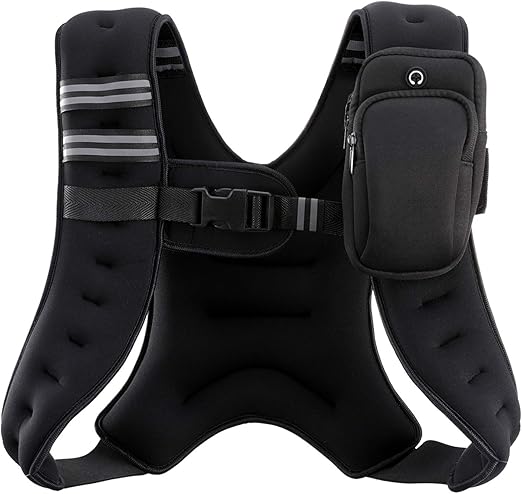
🏋️♂️ ZELUS Weighted Vest – Boost Your Workout Performance!
Available in 6lb to 30lb sizes with reflective stripes. Perfect for strength training, running, fitness, weightlifting, and weight loss.
💥 Get Yours Now for Under $32!
⚖️ Etekcity Digital Bathroom Scale – Precision You Can Trust!
Sleek design with a large blue backlit LCD, high-precision sensors, and durable 6mm tempered glass. Supports up to 400 lbs.
🔥 Shop Now for Under $149!When it comes to weight loss, many of us find ourselves questioning the foods we include in our diets, and rice often gets a bad rap. If you’re trying to lose weight, you might have heard conflicting opinions about rice. Some say it’s a carbohydrate that should be avoided, while others argue it can fit into a balanced diet. In this article, we’ll delve into whether rice is indeed bad for weight loss, exploring its nutritional value, how it affects the body, and offering guidance on how to incorporate it into a weight-loss-friendly meal plan.
Understanding Rice and Its Nutritional Profile
Rice is one of the most widely consumed staple foods in the world and is known for its versatility in various cuisines. It primarily comes in two main types: white rice and brown rice, each having its nutritional advantages and disadvantages.
White Rice
White rice is milled and refined, removing its husk, bran, and germ. While this process makes the rice easier to digest and gives it a longer shelf life, it also strips away many nutrients.
- Calories: A cup of cooked white rice contains around 205 calories.
- Carbohydrates: It has approximately 45 grams of carbohydrates, which can spike blood sugar levels.
- Protein: White rice offers about 4 grams of protein per serving.
- Fiber: Low in fiber, with less than 1 gram per cup.
- Nutrients: Contains small amounts of iron and B vitamins but lacks essential nutrients due to processing.
Brown Rice
On the other hand, brown rice is a whole grain that retains its bran and germ layers, making it more nutritious than its white counterpart.
- Calories: A cup of cooked brown rice has around 218 calories.
- Carbohydrates: Contains about 45 grams of carbohydrates.
- Protein: Offers about 5 grams of protein per serving.
- Fiber: High in fiber, providing around 3.5 grams per cup, which can aid digestion.
- Nutrients: Rich in magnesium, phosphorus, and B vitamins, supporting overall health.
The Role of Carbohydrates in Weight Loss
Carbohydrates can often be demonized in the context of weight loss. However, they play a crucial role in providing the body with energy. It is essential to understand that not all carbohydrates are created equal, and their effects on the body can vary significantly depending on their source.
Complex vs. Simple Carbohydrates
Rice, particularly brown rice, fits into the category of complex carbohydrates, which digest slowly and provide sustained energy. In contrast, simple carbohydrates, found in sugary snacks and processed foods, can lead to quick spikes in blood sugar levels followed by crashes, making you feel hungry again soon after.
- Complex carbohydrates: Include whole grains, legumes, and vegetables. They provide lasting energy without crashing your system.
- Simple carbohydrates: Found in candies, pastries, and sodas. They can contribute to weight gain when consumed in excess.
How Rice Affects Weight Loss
So, is rice bad for weight loss? The answer isn’t straightforward. It largely depends on how much you consume, your overall diet, and your physical activity level. Let’s explore how rice may impact weight loss efforts.
Portion Control Matters
One of the main reasons rice is often considered detrimental to weight loss is portion size. Many recipes and servings of rice can be quite large, leading to excess calorie intake:
- Keeping a serving size in check (½ cup cooked rice) can help manage caloric intake.
- Pairing rice with plenty of vegetables and lean proteins can create a balanced meal that is satisfying and low in calories.
Combining Rice with Other Foods
Rice can be part of a healthy diet when combined correctly. Here’s how to make rice a more weight-loss-friendly option:
- Use brown rice: Opt for the whole grain option to increase fiber and nutrient intake.
- Add vegetables: Bulk up your meals by adding a variety of colorful vegetables, which can be low in calories and high in nutrition.
- Incorporate lean proteins: Pairing rice with proteins like chicken, fish, or legumes can promote fullness and reduce cravings.
The Glycemic Index of Rice
The glycemic index (GI) is a scale used to measure how quickly foods raise blood sugar levels after consumption. Foods with a high GI can lead to increased hunger levels and cravings, potentially hindering weight-loss efforts.
White Rice vs. Brown Rice GI Values
White rice typically has a higher GI, which may lead to faster blood sugar spikes:
- GI value of approximately 70–90.
Brown rice has a lower GI, promoting more stable blood sugar levels:
- GI value of around 50–55.
Rice Versus Other Carbs
When considering rice as a food option during weight loss, it’s essential to compare it to other carbohydrate sources and see where it stacks up.
Quinoa
Quinoa is touted as a superfood and offers higher protein and fiber content compared to both white and brown rice. It’s a complete protein, containing all nine essential amino acids.
- Quinoa typically has about 222 calories per cup, which is similar to brown rice.
- It contains around 8 grams of protein and 5 grams of fiber per cup.
Pasta
Pasta can also be a part of a weight-loss diet, especially when choosing whole grain options. However, it tends to be higher in calories and carbohydrates compared to rice:
- A cup of whole grain pasta contains approximately 174 calories.
- Similar to rice, it has a moderate GI, especially when overcooked.
How to Incorporate Rice Wisely in Your Diet
If you enjoy rice and don’t want to eliminate it from your meals, consider the following tips for healthy incorporation:
- Experiment with portion sizes: A serving of rice should be no larger than ½ cup cooked.
- Pair wisely: Choose fiber-rich and protein-rich sides to balance your meals.
- Use it as a base: Create healthy bowls with brown rice, lean proteins, and ample vegetables.
- Limit sauces: Heavy or creamy sauces can increase caloric intake considerably, so opt for lighter options.
Common Mistakes When Consuming Rice
Understanding how rice can fit into your diet is essential, but there are common pitfalls that many people encounter as they try to reap its benefits while losing weight.
Overeating rice
Many individuals underestimate portion sizes, leading to unintentional calorie overshoot.
- Standard portion for cooked rice is ½ cup, yet many use 1 cup or more.
Not balancing meals
A common mistake is focusing solely on one type of food. Rice should be part of a balanced meal, not the central focus.
- Ensure your plate includes vegetables and lean proteins alongside your rice.
Choosing the wrong type of rice
After learning about the differences in nutritional profiles, it’s evident that brown rice is a more favorable option than white rice for weight loss.
- White rice can lead to faster hunger returns, impacting overall calorie consumption.
Remembering Individual Needs and Preferences
Ultimately, whether rice is “bad” for weight loss may depend on the individual’s dietary goals, lifestyle, and how well it fits into their overall nutrition plan. Always consider your unique needs when determining the role of rice in your meals.
This flexibility makes it possible for rice lovers to continue enjoying their favorite dishes while also working toward their weight loss goals.
As you consider your dietary choices, focus on creating meals that are not only nutritious but delightful as well. Enjoying what you eat is vital for maintaining a long-term healthy lifestyle.


Related Articles
Our HOME in English: Common questions about the requirements and approval difficulty for getting a personal Tea Burn Weight Loss, especially regarding credit score – see more about Tea Burn Here

Is Rice Bad for Weight Loss?
Many people question whether rice can hinder their weight loss goals. The truth is that rice, when consumed in moderation and as part of a balanced diet, is not inherently bad for weight loss. Instead, it’s important to consider factors such as portion size, type of rice, and overall dietary habits. For those aiming to shed pounds, understanding how rice fits into your daily caloric intake and nutritional balance is crucial. With the right approach, rice can still be enjoyed while pursuing your weight loss journey.
FAQ
1. Is white rice bad for weight loss?
White rice can be included in your diet. However, whole grain alternatives like brown rice may be more beneficial due to their fiber content, which helps keep you fuller longer.
2. Can I eat rice and still lose weight?
Yes, incorporating rice in moderation with healthy portions of vegetables and lean proteins can support weight loss.
3. What is better for weight loss: rice or pasta?
It depends on the overall meal composition. Pasta can be higher in protein, while rice may offer quicker energy. Choose whole grain varieties for both.
4. How much rice should I eat to lose weight?
Portion control is key. A serving of cooked rice is typically 1/2 cup, which can fit well into a calorie-controlled meal plan.
5. Does rice cause weight gain?
Rice itself doesn’t cause weight gain; excess calories from any food source can contribute to weight gain. Monitor your total intake.
6. What type of rice is best for weight loss?
Brown rice and other whole-grain options are better for weight loss due to their higher fiber content which aids digestion and fullness.
7. Is cauliflower rice a good substitute?
Yes, cauliflower rice is lower in calories and carbohydrates, making it a great alternative for those looking to reduce calorie intake.
8. Should I eliminate rice completely?
There’s no need to eliminate rice completely; instead, focus on moderation and balance within your overall diet.
9. How many calories are in a cup of cooked rice?
A cup of cooked white rice typically contains around 200 calories, while brown rice is about 215 calories.
10. Can I eat rice at night while trying to lose weight?
Yes, eating rice at night can be part of a balanced diet. Pay attention to portion sizes and pair it with healthy ingredients.
11. Does rinsing rice make it healthier?
Rinsing rice can help remove some excess starch, which may help in reducing calories slightly and improving texture.
12. Is rice gluten-free?
Yes, rice is naturally gluten-free, making it a suitable option for those with gluten intolerance.
13. Do different cooking methods affect rice healthiness?
Yes, cooking methods can impact caloric content. Steaming or boiling is healthier than frying.
14. What can I eat with rice to lose weight?
Pair rice with vegetables, lean proteins, and healthy fats for a nutritious and satisfying meal.
15. Can brown rice help with weight loss?
Brown rice is high in fiber and nutrients, which can aid in digestion and promote satiety, potentially aiding weight loss.
16. Is it better to eat rice cold for weight loss?
Cold rice can be beneficial; it contains resistant starch, which can help with digestion and may increase feelings of fullness.
17. How does portion control impact rice consumption?
Control over portion sizes helps prevent overeating and ensures that rice fits well within your caloric needs.
18. Can rice help boost metabolic rate?
Rice is a source of carbohydrates providing energy. It can support metabolic processes when included in a balanced diet.
19. What is the glycemic index of rice?
White rice has a high glycemic index, but alternatives like brown rice have a lower index, making them better for weight loss.
20. Is sushi rice healthy for weight loss?
Sushi rice is often seasoned with sugar and vinegar, so it’s best consumed in moderation as part of a varied diet.
21. Can I eat rice while on a keto diet?
Rice is generally not suitable for a keto diet due to its high carbohydrate content; consider alternatives like cauliflower rice.
22. How does cooking rice affect its calorie content?
Cooking rice does not change its caloric content directly, but water absorption increases volume, affecting serving sizes.
23. Should I count rice in my daily calorie intake?
Yes, counting rice in your daily calorie intake ensures you stay within your weight loss goals without missing essential nutrition.
24. Are there any negative effects of eating too much rice?
Excessive rice consumption can lead to higher calorie intake and potential nutritional imbalances if not paired with other food groups.
25. How important is fiber when eating rice?
Fiber helps with digestion and satiety; choosing whole grain rice can enhance fiber intake, supporting weight loss efforts.
Conclusion
In summary, rice is not bad for weight loss if consumed wisely. The key is moderation, selection of whole-grain varieties, and pairing with nutrient-dense foods. Understanding how rice fits into an overall dietary plan can empower you to enjoy your meals while still making progress toward your weight loss goals. Focusing on balanced nutrition, mindful eating, and portion control, you can incorporate rice as a part of a healthy lifestyle. Consider exploring options like brown rice or cauliflower rice as intelligent substitutes to enrich your meals without compromising on taste or health.


