
Is pasta fattening or just carbs?
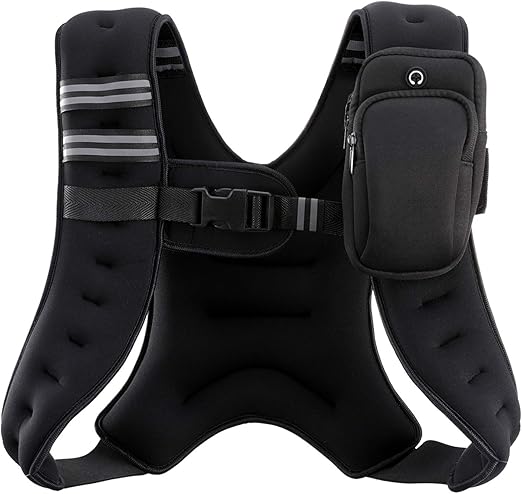
🏋️♂️ ZELUS Weighted Vest – Boost Your Workout Performance!
Available in 6lb to 30lb sizes with reflective stripes. Perfect for strength training, running, fitness, weightlifting, and weight loss.
💥 Get Yours Now for Under $32!
⚖️ Etekcity Digital Bathroom Scale – Precision You Can Trust!
Sleek design with a large blue backlit LCD, high-precision sensors, and durable 6mm tempered glass. Supports up to 400 lbs.
🔥 Shop Now for Under $149!Is Pasta Fattening or Just Carbs?
When it comes to weight management, pasta has often been scrutinized, relegated to the naughty list for many health-conscious eaters. Questions swirl in the minds of those seeking to enjoy a satisfying meal without derailing their diet: Is pasta really fattening, or is it merely the carbohydrates it contains that get the blame? In this article, we will delve deep into understanding the relationship between pasta, carbohydrates, and weight gain, separating fact from fiction in this enduring culinary debate.
The Basics of Pasta
Pasta, a staple in many diets around the world, comes in various forms, shapes, and sizes. Typically made from wheat flour mixed with water, pasta is cooked into delicious and comforting dishes. But what exactly happens to our bodies when we consume this beloved food?
What Is Pasta Made Of?
Understanding pasta starts with recognizing its basic ingredients, which usually include:
- Durum wheat: The primary ingredient that gives pasta its structure and texture.
- Water: Combined with flour to form the dough.
- Eggs: Used in some pasta varieties, adding richness and protein.
Beyond these basic components, pasta can also be made from alternatives like whole grains, legumes, or even vegetables, which can significantly affect their nutritional profiles.
Understanding Carbohydrates
Carbohydrates are often labeled as the arch-nemesis of weight management, but this blanket statement is misleading. Carbs can be divided into two main categories: simple and complex.
Types of Carbohydrates
- Simple carbohydrates: Found in sugary foods, they are quickly absorbed by the body, leading to spikes in blood sugar levels.
- Complex carbohydrates: Found in whole grains, legumes, and vegetables, these carbs break down more slowly, providing sustained energy.
Most traditional pasta is a source of complex carbohydrates, which means it can be part of a balanced diet when consumed mindfully.
Is Pasta Fattening?
The question of whether pasta is fattening cannot be answered with a simple yes or no. Much depends on various factors, including portion size, preparation method, and overall dietary context.
Caloric Content
The caloric density of pasta plays a crucial role in weight management. On average, one cup of cooked pasta contains about 200 calories. It’s essential to consider how this fits into your overall daily calorie goals. Eating more calories than your body needs leads to weight gain, regardless of the source.
Portion Control
One of the most significant considerations when it comes to pasta is portion control. Many individuals serve themselves large portions without realizing it can lead to overeating. Here are some tips for managing portion sizes:
- Use smaller plates: This can help you visually gauge smaller portions.
- Measure servings: Familiarize yourself with what a standard serving looks like (usually about 1 cup cooked).
- Pair with vegetables: Fill half your plate with vegetables to help balance the meal.
How Preparation Methods Affect Pasta
The way pasta is prepared can also influence its impact on weight. Here are some considerations:
Creamy Sauces and Extras
While pasta itself can be a reasonable choice, the sauces and toppings can drastically increase the calorie content:
- Alfredo or Carbonara sauces: High in cream and cheese, leading to extra calories.
- Olive oil: Adding oil can increase calories, so use it sparingly.
Healthier Cooking Options
Opting for healthier preparations can make a significant difference:
- Tomato-based sauces: Generally lower in calories and can provide beneficial nutrients.
- Fresh vegetables: Incorporating spinach, zucchini, or broccoli adds fiber and nutrients with minimal calories.
Choosing the Right Type of Pasta
As mentioned earlier, pasta comes in various types. Some are more beneficial for weight management than others. Let’s explore a few popular varieties:
Whole Wheat Pasta
Whole wheat pasta retains the bran and germ of the wheat grain, making it higher in fiber. Fiber promotes satiety and can aid in weight loss efforts. A single serving typically contains:
- More fiber: Which helps in digestion and keeps you feeling fuller longer.
- Vitamins and minerals: Such as B vitamins, iron, and magnesium.
Legume-Based Pasta
Made from beans or lentils, these pasta alternatives are rich in protein and fiber, making them a nutritious option. Benefits include:
- Lower glycemic index: Helping to maintain stable blood sugar levels.
- Increased protein: Supporting muscle health and satiety.
Vegetable Noodles
Pasta alternatives made from spiralized vegetables like zucchini or carrots are very low in calories and carbs. They can be a great way to enjoy pasta-like dishes without the guilt.
Incorporating Pasta into a Weight Loss Plan
So, how can you enjoy pasta without compromising your weight loss goals? Here are some strategies:
Mindful Eating
Adopt a mindful approach to eating. Savor each bite and listen to your body’s hunger cues. This can help prevent overeating and make your meals more enjoyable.
Balance with Protein
Adding lean protein sources like chicken, fish, or tofu to your pasta can help further with satiety, making you feel fuller for longer. Consider these options:
- Grilled chicken: A good source of lean protein.
- Salmon: Packed with omega-3 fatty acids, great for heart health.
- Lentils: For a vegetarian protein option that complements pasta well.
Pairing with Fiber-Rich Foods
Pasta is often enjoyed with vegetables, and for good reason. Fiber-rich foods help you feel full and satisfied. Examples include:
- Spinach: High in iron and fiber.
- Bell peppers: Rich in vitamins A and C.
- Broccoli: Provides essential nutrients and fiber.
Final Considerations
In the end, enjoying pasta as part of a well-balanced diet does not have to be a weight loss deterrent. Its key lies in moderation, mindful portion control, and choosing healthier preparation methods. Remember to consider the entire meal composition, including what you add to your pasta, to better manage its effects on your weight.
Whether you’re a pasta lover or just curious about its role in your diet, understanding the nuances behind this staple food can empower better eating choices without losing out on pleasure. So go ahead, enjoy that bowl of pasta, but keep in mind these guidelines to make it a friend, not a foe, in your weight loss journey!


Related Articles
Our HOME in English: Common questions about the requirements and approval difficulty for getting a personal Tea Burn Weight Loss, especially regarding credit score – see more about Tea Burn Here

Pasta is a staple food enjoyed by many, but questions surrounding its effect on weight loss persist. Are pasta and carbs the main culprits behind weight gain? Or is it more about how we consume them? In this article, we will explore the relationship between pasta, carbs, and weight loss. Understanding how cutting out sugar can aid weight loss is also crucial, as sugars often contribute to unwanted calories. With the right approach, pasta can be enjoyed in moderation as part of a balanced diet.
Is Pasta Fattening or Just Carbs?
Pasta itself is not inherently fattening; what matters is portion control and the accompanying ingredients. Whole grain or legume-based pastas offer more fiber and nutrients, which can help you feel full longer. Refined pasta, on the other hand, is primarily composed of simple carbs that can spike blood sugar levels. Balancing pasta with proteins, healthy fats, and plenty of vegetables can create satisfying meals that fit within a weight loss plan.
FAQ
1. Does eating pasta contribute to weight gain?
Weight gain occurs when you consume more calories than your body burns. Pasta can be part of a healthy diet if portion sizes are controlled and it is combined with nutrient-dense foods.
2. Is all pasta fattening?
No, not all pasta is fattening. Whole grain or high-protein pasta options can be healthier choices compared to refined pasta.
3. Are carbs really the enemy when it comes to weight loss?
Carbs are essential for energy but not all carbs are created equal. Focus on complex carbs like whole grains rather than simple sugars.
4. How can cutting out sugar help me lose weight?
Cuts in sugar intake can lead to fewer calories consumed and reduce cravings, making it easier to maintain a calorie deficit.
5. How does pasta fit into a weight loss plan?
Pasta can fit into a weight loss plan when enjoyed in moderation, paired with balanced ingredients like vegetables and lean proteins.
6. Can I eat pasta at night if I’m trying to lose weight?
Yes, eating pasta at night can be acceptable. Focus on controlling portion size and opting for healthier ingredients.
7. What is the healthiest way to prepare pasta?
Opt for whole grain pasta, cook it al dente, and pair it with vegetables, olive oil, and lean protein for a balanced meal.
8. Should I avoid pasta entirely to lose weight?
No, you don’t need to avoid pasta entirely. Moderation and making healthier pasta choices are key to enjoying it responsibly.
9. How can I reduce my pasta portion size?
Use smaller plates, add more veggies to your pasta dishes, and avoid eating straight from the serving dish.
10. Are pasta alternatives healthier?
Some alternatives, like zucchini noodles or spaghetti squash, are lower in calories and carbs and can be healthier options.
11. How do sauces impact the calorie count of pasta?
Heavy cream sauces add significant calories. Opt for lighter sauces like marinara or olive oil with herbs to keep it healthy.
12. Can I eat pasta if I’m following a low-carb diet?
Traditional pasta may be limited on a low-carb diet, but alternatives like whole grain or vegetable-based options may be included in moderation.
13. What should I pair with pasta for a balanced meal?
Pair pasta with lean protein (like chicken or legumes) and plenty of vegetables to create a nourishing meal.
14. How often can I eat pasta on a regular diet?
Pasta can be enjoyed several times a week as part of a balanced diet, focusing on portion control and nutrient-dense ingredients.
15. Is gluten-free pasta better for weight loss?
Gluten-free pasta is not necessarily lower in calories. Choose whole grain options for higher fiber and nutrients.
16. Can I lose weight by simply switching to whole grain pasta?
Switching to whole grain pasta can aid weight loss by improving satiety, but it should be combined with overall healthy eating habits.
17. How does fiber in pasta affect weight loss?
Fiber helps you feel full longer, which can reduce over-eating and assist in maintaining a healthy weight.
18. Is there a best time to eat pasta for weight management?
There isn’t a specific best time. Focus on overall calorie intake and nutrition rather than timing.
19. What does a healthy pasta meal look like?
A healthy pasta meal includes whole grain pasta topped with veggies, lean protein, and a light sauce, avoiding excess cheese.
20. Should I count calories if I eat pasta?
While it’s useful to be aware of caloric intake, focus on portion sizes and balanced meals for more sustainable weight loss.
21. How do I make pasta dishes more filling?
Add fiber-rich vegetables and protein sources to your pasta dishes to enhance satiety and satisfy hunger longer.
22. Does eating pasta make me tired?
Some people may feel tired after eating pasta, especially if it’s high in simple carbs. Balance your meals to maintain energy levels.
23. Can meal prepping pasta help with weight loss?
Yes, meal prepping can help you control portions and ingredients, leading to healthier eating habits throughout the week.
24. Is it better to eat pasta cold or hot for digestion?
Both can be fine, but some find that eating cold pasta (like in salads) helps with digestion and offers a refreshing meal option.
25. What changes can I make today to include pasta in my weight loss journey?
Start by opting for whole grain pasta, controlling portions, and making healthier sauces and toppings your priority.
Conclusion
In conclusion, pasta isn’t inherently fattening; rather, it’s about how you incorporate it into your diet. Recognizing the difference between types of pasta and focusing on balance and moderation can help you enjoy it guilt-free. Coupled with a reduced sugar intake, which lowers unnecessary caloric consumption, you can create an effective weight loss strategy. Choosing healthier ingredients and mindful eating practices allows pasta to remain a delicious and satisfying option in your weight loss journey. By making informed choices and adjustments, you can savor your meals and achieve your health goals.


