
What is the ideal sugar-free grocery list for weight loss?
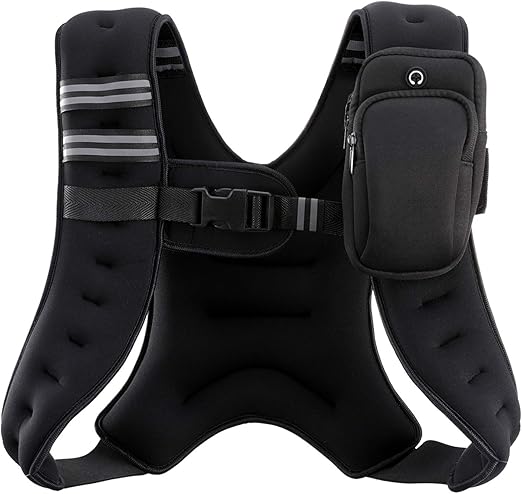
🏋️♂️ ZELUS Weighted Vest – Boost Your Workout Performance!
Available in 6lb to 30lb sizes with reflective stripes. Perfect for strength training, running, fitness, weightlifting, and weight loss.
💥 Get Yours Now for Under $32!
⚖️ Etekcity Digital Bathroom Scale – Precision You Can Trust!
Sleek design with a large blue backlit LCD, high-precision sensors, and durable 6mm tempered glass. Supports up to 400 lbs.
🔥 Shop Now for Under $149!In today’s health-conscious world, the desire for effective weight loss strategies has placed the spotlight on cutting out sugar from our diets. This article will provide you with an ideal sugar-free grocery list specifically tailored for weight loss. We will explore why eliminating sugar can aid in your weight loss journey and walk you through the essential items to stock in your pantry and fridge. With this guide, you’ll learn how to make healthier choices and understand the benefits of each food item, ensuring you’re well-equipped to succeed.
Why Cut Out Sugar for Weight Loss?
Cutting out sugar can be a game changer for those seeking effective weight loss. Here are some of the critical reasons:
- Reduces Caloric Intake: Foods high in sugar typically come with high calorie counts but low nutritional value. By eliminating these foods, you reduce your daily caloric intake.
- Controls Hunger: High-sugar foods can lead to spikes and crashes in blood sugar levels, causing increased hunger. Without sugar, you maintain steadier energy levels and feel fuller longer.
- Boosts Metabolism: A diet lower in sugar can lead to improved metabolic function, helping your body burn fat more efficiently.
- Reduces Fat Storage: High sugar consumption can increase fat storage in the body, particularly around the abdomen. By avoiding sugar, you can help reduce this fat accumulation.
Understanding Added Sugars vs. Natural Sugars
Before diving into your grocery list, it’s important to make a distinction between added sugars and natural sugars. Added sugars are those that are not found naturally in foods and include table sugar, syrups, and sweeteners. Natural sugars exist in whole foods such as fruits and dairy. While fruits do contain sugar, they also provide essential nutrients and fiber that assist in weight loss.
The Ideal Sugar-Free Grocery List
1. Fresh Fruits and Vegetables
While some fruits do contain sugar, they are packed with essential vitamins and fiber. Opt for whole fruits instead of fruit juices or dried fruits which often contain added sugars.
- Leafy Greens: Spinach, kale, and Swiss chard are low in calories and high in nutrients.
- Cruciferous Vegetables: Broccoli, cauliflower, and Brussels sprouts are high in fiber and great for filling you up.
- Berries: Strawberries, blueberries, and raspberries are low in sugar compared to other fruits and packed with antioxidants.
- Citrus Fruits: Lemons, limes, and grapefruits can help enhance flavor without added sugar.
2. Whole Grains
Whole grains are an excellent source of complex carbohydrates, which provide long-lasting energy without the sugar crash.
- Quinoa: A high-protein grain that is gluten-free and full of nutrients.
- Brown Rice: A healthier alternative to white rice, brown rice is rich in fiber.
- Oats: Perfect for breakfast, oats can be eaten plain or with fruits for added flavor.
- Whole Wheat Pasta: A more nutritious choice compared to traditional pasta, offering more fiber and nutrients.
3. Lean Proteins
Incorporating lean proteins into your diet helps in muscle rebuilding and maintains satiation.
- Chicken Breast: A versatile protein source that is low in fat and calories.
- Turkey: Another excellent lean protein that can be ground or cooked in various dishes.
- Fish: Salmon, mackerel, and sardines are rich in omega-3 fatty acids and great for overall health.
- Plant-Based Proteins: Lentils, chickpeas, and black beans are not only rich in protein but also high in fiber.
4. Healthy Fats
Not all fats are bad! Including healthy fats in your diet can help you feel satisfied and support overall health.
- Avocados: Rich in monounsaturated fats, avocados are great for heart health.
- Nuts: Almonds, walnuts, and pistachios provide healthy fats and sustainable energy.
- Seeds: Chia seeds, flaxseeds, and pumpkin seeds are nutrient-dense and can be added to various recipes.
- Olive Oil: A staple in the Mediterranean diet, olive oil is a healthy fat that is best used in cooking or dressing salads.
5. Dairy Alternatives
For those looking to cut down on sugars found in dairy products, consider alternatives. Select unsweetened varieties where possible.
- Unsweetened Almond Milk: A low-calorie alternative to cow’s milk that can be used in cooking and baking.
- Coconut Yogurt: A dairy-free option that can be found without added sugars.
- Plain Greek Yogurt: Rich in protein and lower in sugar compared to traditional yogurts, plain Greek yogurt is versatile for various dishes.
6. Sugar Substitutes
When cravings strike, exploring sugar substitutes can help satisfy your sweet tooth without the calories. Here are some healthier options:
- Stevia: A natural sweetener derived from the stevia plant, this zero-calorie option works well in beverages or recipes.
- Erythritol: A sugar alcohol that provides sweetness with fewer calories and no spike in blood sugar.
- Monk Fruit Sweetener: Another natural sweetener that’s zero-calorie and often preferred for baking.
7. Canned and Frozen Foods
Canned and frozen foods can be convenient options that save time and preserve the nutritional value of ingredients.
- Canned Vegetables: Look for options with no added sugars or salt for a quick vegetable addition to meals.
- Frozen Fruits: Perfect for smoothies or as a topping for yogurt, choose varieties with no added sugars.
- Canned Beans: A quick source of protein, rinsing them can reduce their sodium content.
Shopping Tips for Your Sugar-Free Grocery List
As you prepare to hit the grocery store, keep these tips in mind for a successful sugar-free shopping experience:
- Read Labels: Familiarize yourself with food labels and look out for hidden sugars in ingredients.
- Shop the Perimeter: Fresh produce, dairy, and meats are generally found on the outskirts of the grocery store, while processed foods are located in the middle aisles.
- Stick to a List: Creating a shopping list based on your ideal sugar-free grocery list can help you resist impulse purchases.
- Buy in Bulk: Purchasing items like whole grains, nuts, and seeds in bulk can save you money and ensure you always have healthy options on hand.
Plan Your Meals Ahead
Meal planning is an excellent strategy for weight loss. By deciding what you’ll eat for the week, you can ensure your meals are balanced and support your goals. Here are a few quick meal ideas using the items from your sugar-free grocery list:
- Breakfast: Overnight oats made with almond milk topped with berries and nuts.
- Lunch: Quinoa salad with leafy greens, chickpeas, tomatoes, and an olive oil dressing.
- Dinner: Grilled chicken with steamed broccoli and brown rice.
- Snacks: Greek yogurt with chia seeds and a sprinkle of cinnamon or a handful of nuts.
Overall Health Benefits of a Sugar-Free Diet
A sugar-free diet not only contributes to weight loss but also offers various health benefits, including:
- Improved Energy Levels: With steady blood sugar levels, you experience fewer energy crashes throughout the day.
- Enhanced Focus: Avoiding sugar can help improve cognitive function and reduce brain fog.
- Better Skin Health: A lower sugar intake can reduce the likelihood of skin breakouts and improve overall skin appearance.
- Reduced Risk of Chronic Diseases: Lower sugar consumption has been linked to a decreased risk of heart disease, obesity, and type 2 diabetes.
Adopting a sugar-free lifestyle may require adjustments, but the benefits far outweigh the challenges. By using the grocery list provided and sticking to whole, nutrient-dense foods, you can effectively manage your weight while improving your overall health.
Remember that consistency is key, and every small change can lead to significant long-term results!


Related Articles
Our HOME in English: Common questions about the requirements and approval difficulty for getting a personal Tea Burn Weight Loss, especially regarding credit score – see more about Tea Burn Here

What is the Ideal Sugar-Free Grocery List for Weight Loss?
Are you ready to start your journey toward effective weight loss? Cutting out sugar can be a game-changer, not only helping you shed pounds but also enhancing your overall health. A sugar-free grocery list is essential for stocking your kitchen with nutritious, satisfying options. By opting for whole foods, such as fruits, vegetables, lean proteins, and healthy fats, you can significantly reduce your sugar intake and watch those unwanted pounds melt away. Below is a comprehensive guide to crafting your ideal sugar-free grocery list as well as answers to common questions.
Ideal Sugar-Free Grocery List
- Fruits: Apples, berries, oranges, avocados.
- Vegetables: Spinach, kale, broccoli, zucchini.
- Proteins: Chicken, turkey, fish, tofu, eggs.
- Dairy Alternatives: Unsweetened almond milk, coconut yogurt.
- Healthy Fats: Olive oil, nuts, seeds, avocados.
- Whole Grains: Quinoa, brown rice, oats.
- Spices and Herbs: Cinnamon, garlic, basil.
Conclusion
Incorporating a sugar-free grocery list into your routine is a vital step towards achieving weight loss success. By focusing on wholesome foods and avoiding added sugars, you not only create a supportive environment for weight loss but also promote better overall health. Remember to choose nutrient-dense options and prioritize whole foods, which will keep you satisfied and energized. Your journey to a healthier lifestyle starts with the right choices at the grocery store. Take that first step today, and enjoy the benefits of a sugar-free diet!
FAQ
1. How does cutting out sugar help with weight loss?
Cutting out sugar reduces calorie intake and stabilizes blood sugar levels, decreasing cravings. This leads to better hunger management and helps prevent weight gain.
2. What foods should I avoid to cut out sugar?
Avoid sugary drinks, desserts, processed snacks, and foods with added sugars like some sauces and dressings. Read labels carefully!
3. Is fruit allowed on a sugar-free diet?
Yes, whole fruits are allowed; they contain natural sugars along with fiber, which helps control blood sugar levels.
4. Can I eat carbs on a sugar-free diet?
Absolutely! Focus on complex carbohydrates like whole grains, legumes, and vegetables that are low in sugar.
5. Will I feel deprived without sugar?
Initially, you may miss sugar, but you’ll likely find satisfaction in nutrient-dense foods that provide energy and fullness.
6. How do I handle cravings for sweets?
Try satisfying cravings with healthy options like fruit, yogurt, or dark chocolate in moderation.
7. Can I still use sweeteners?
Some non-caloric sweeteners can be used in moderation, but focus on transitioning to less sweet foods overall.
8. Should I read food labels when shopping?
Yes! Check for hidden sugars in ingredients to ensure you’re truly avoiding added sugars.
9. What are some healthy snacks without sugar?
Great options include nuts, seeds, cut vegetables with hummus, or Greek yogurt.
10. Can cutting sugar affect my energy levels?
Yes, reducing sugar can help stabilize your energy, preventing the crashes associated with sugar spikes.
11. How long does it take to adapt to a sugar-free diet?
Typically, it takes about two to four weeks for your body to adapt, but this can vary by individual.
12. Can a sugar-free diet improve my mood?
Many find mood improvements due to more stable blood sugar levels and increased nutrient intake.
13. Are sugar-free diets suitable for everyone?
Most people can benefit, but consult a healthcare provider if you have pre-existing conditions or specific dietary needs.
14. Can I ever have sugar again?
You can eventually reintroduce it in moderation, but focus on the quality of sugar you consume.
15. What’s a good drink option without sugar?
Water, herbal teas, and unsweetened flavored seltzers are excellent choices.
16. How does sugar affect insulin levels?
Sugar raises insulin levels, which can lead to fat storage and increased hunger if consumed in excess.
17. Can I make desserts without sugar?
Absolutely! Use ripe bananas, applesauce, or dates as natural sweeteners in your baking.
18. What meals are good for a sugar-free diet?
Try stir-fries with vegetables and lean protein, salads with healthy fats, and soups made from whole ingredients.
19. Is it easier to lose weight without sugar?
Yes, many find that cutting sugar makes weight loss easier due to reduced cravings and caloric intake.
20. What’s the importance of meal prep on a sugar-free diet?
Meal prep ensures you have sugar-free options readily available, reducing the temptation to eat sugary foods.
21. Can exercise help while cutting sugar?
Yes, regular exercise complements a sugar-free diet, aiding in weight loss and improving mood and energy.
22. Are there health benefits to cutting sugar beyond weight loss?
Absolutely! Reducing sugar can lower the risk of diabetes, heart disease, and improve skin health.
23. Should I combine a sugar-free diet with calorie restriction?
While it’s not necessary, mindful calorie control can enhance weight loss when cutting sugar.
24. What are some easy breakfast options without sugar?
Options like omelets, smoothies with unsweetened ingredients, or oatmeal are great choices.
25. Can I still enjoy eating out while on a sugar-free diet?
Yes! Select options like salads, grilled proteins, or ask about sugar-free menu choices.


